
Jogos de Arcade
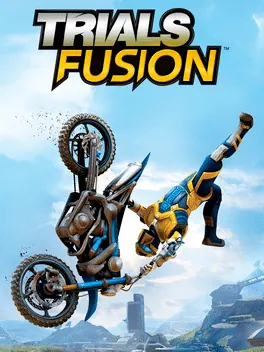
Trials Fusion
Take on an unlimited array of platform-racing challenges in the unreal world of Trials Fusion. Using your skills to traverse across obstacle-laden, ramp-ridden courses, you must strive to set track records against the best Trials players around the globe. Whether you're racing alone, with friends, or in a global tournament, competition is always around you.
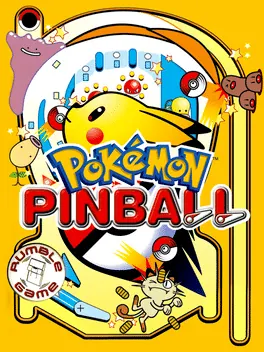
Pokémon Pinball
There are two tables in the game, red and blue. Each table has its own details and gameplay elements. Each table has different "locations" that you play, which determine which Pokémon are available for capture. A subset of available locations are displayed slot-machine style in the beginning of a game, and pressing A will select your starting location and launch the first ball into play. After that, each table has its own mechanism for advancing to the next location, including the locations not available at the start of the game. "Catch Mode," when activated, starts a 2 minute window of opportunity where you can attempt to capture a Pokémon. Once you activate "catch mode," you must hit the pop bumpers 6 times. Each hit unlocks 1/6 of an image of the Pokémon currently up for capture. Once the image is complete, the Pokémon appears on the table, where it must be hit 4 times with the ball to capture it. "Evolution Mode," when activated, starts a 2 minute window of opportunity where you select a captured Pokémon (from the current game in progress only) and attempt to evolve it into another form. This is the only way to add the evolved form to your Pokédex. Once you select a Pokémon, you must hit targets on the playfield. There are up to 6 targets, but only 3 of them have items in them you need to evolve a Pokémon. The others create a time-wasting sequence before you can hit targets again. If you hit a target with an item, the item appears on the playfield and must be collected with the ball. Once you've collected 3 items, the hole in the center of the board opens up. Sinking the ball in the hole successfully evolves the Pokémon.
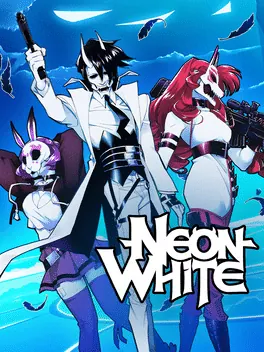
Neon White
Neon White is a single-player speedrunning FPS where you can sacrifice your guns for godlike parkour moves.
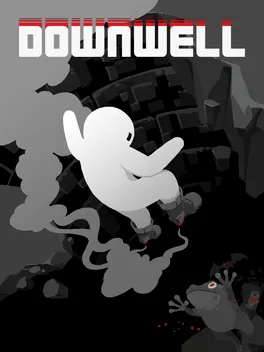
Downwell
Downwell is a curious game about a young man with guns for boots venturing down a well in search of untold treasures. Make your way further and further down into a darkness filled with nasty creatures and mysterious secrets and collect the spectacular red gems scattered about the rocks. Step into an oddly placed shop to buy some helpful items or level up between caverns to battle well dwelling monsters and uncover hidden caves filled with riches and relics. No two trips down the well are ever the same!
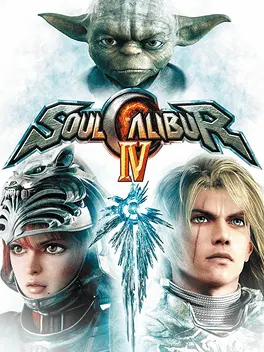
SoulCalibur IV
"Swords will be honed and weapons optimized as the world renowned weapon-based fighting series Soulcalibur unveils a fourth installment. Delivering new gameplay modes, characters and enhanced features with unprecedented 3D modeling and animation, Soulcalibur IV strives to be the definitive fighting game experience. The unrelenting pursuit of two legendary swords continues as Soulcalibur IV re-introduces classic warriors from the series as well as debuting new characters bringing new conflict and intrigue. Soulcalibur IV propels the fighting genre into the next-gen era with visually realistic environments, interactive stages, enhanced AI, and a new battle system." Exclusive to the Xbox 360 version is Yoda from Star Wars, who’s inclusion was meant to represent the colours of the Xbox Logo.
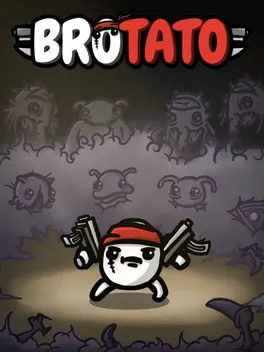
Brotato
Brotato is a top-down arena shooter roguelite where you play a potato wielding up to 6 weapons at a time to fight off hordes of aliens.
Mortal Kombat Trilogy
Mortal Kombat Trilogy features the same gameplay and story as Mortal Kombat 3, but adds characters and stages from the other three arcade games, including Ultimate Mortal Kombat 3. Some completely new characters were also introduced. New additions to the game included the "Aggressor" bar, a meter that fills during the course of the match and temporarily makes a player character faster and stronger. It also features the Brutality, a long combination of attacks that ends with the opponent exploding.
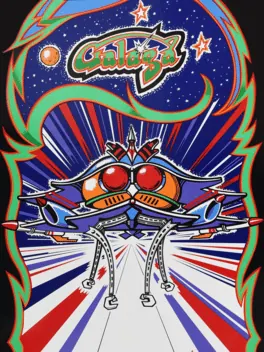
Galaga
The objective of Galaga is to score as many points as possible by destroying insect-like enemies. The player controls a starfighter that can move left and right along the bottom of the playfield. Enemies swarm in groups in a formation near the top of the screen, and then begin flying down toward the player, firing bombs at the fighter. The game ends when the player's last fighter is lost, either by colliding with an enemy or one of its bullets, or by being captured. Galaga introduces a number of new features over its predecessor, Galaxian. Among these is the ability to fire more than one bullet at a time, a count of the player's "hit/miss ratio" at the end of the game, and a bonus "Challenging Stage" that occurs every few levels, in which a series of enemies fly onto and out of the screen in set patterns without firing at the player's ship or trying to crash into it. These stages award a large point bonus if the player manages to destroy every enemy. Another gameplay feature new to Galaga is the ability for enemies to capture the player's fighter. While the player is in control of just one fighter, a "boss Galaga" (which takes two shots to kill) periodically attempts to capture the fighter using a tractor beam. If successful, the fighter joins the enemy formation. If the player has more lives remaining, play resumes with a new fighter. The captured fighter flies down with the enemy that captured it, firing upon the player just like normal enemies, and can be shot and destroyed. The player can free the fighter by destroying the boss Galaga while in flight, causing the captured fighter to link up with the player's current fighter, doubling his or her firepower but also making a target twice as large. Galaga has an exploitable bug that can cause the attackers to stop firing bullets at the player, due to a coding error. In addition, similar to the famous "Split-Screen bug" in Pac-Man, a bug exists in Galaga in which the game "rolls over" from Level 255 to Level 0. Depending on the difficulty setting of the machine, this can cause the game to stall, requiring that the machine be reset or power-cycled in order to start a new game.
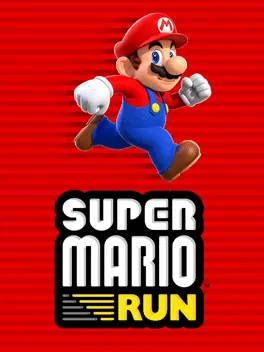
Super Mario Run
Super Mario goes mobile! Unlike other games in the franchise, Mario will run on his own. All you do is tap the screen to jump. The longer you tap, the higher the jump meaning that you can play the game with one hand. In this game, Mario constantly moves forward through the courses while you use a variety of jumps to navigate. Mario will behave differently depending on the timing of your taps, so it's up to you to show off particularly smooth moves, gather coins, and reach the goal. There are three different game modes to play. The first mode features challenging courses for you to complete while collecting coins. The second mode has you challenge the play data of other players to show who can beat a course with the most style to impress Toads into joining you. In the third mode, you get to create your own Mushroom Kingdom using the coins and Toads collected by playing the first two game modes.
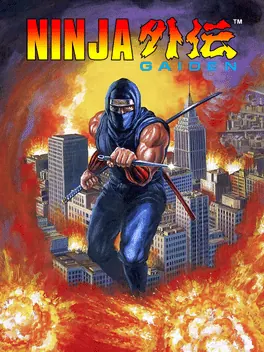
Ninja Gaiden
Ninja Action! The stage is set for conspiracy, mystery and evil in America. Come with Ninja Ryu as he takes you on his fateful journey. Tecmo's unique cinema display system develops the story stage by stage. You piece together the puzzle, while watching the movie-like graphics. Decide what action to take. Use the secret sword and items collected during the action scenes to fight your way to the goal!
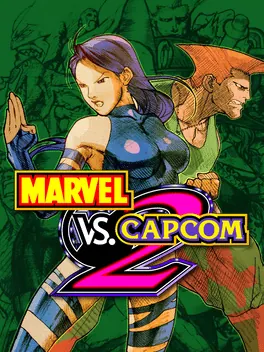
Marvel vs. Capcom 2: New Age of Heroes
Marvel vs. Capcom 2: New Age of Heroes is the fourth game in the Marvel vs. Capcom series of fighting games. The player's controls were simplified to make the gameplay more accessible to the wider audience of casual players and the button configuration was trimmed down to 4 main buttons and 2 assist buttons. The game also features a different air-combo system and 3 on 3 tag, compared to the 2 on 2 tag from previous games in the series.
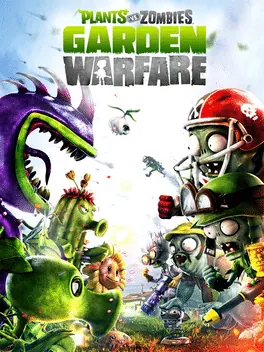
Plants vs. Zombies: Garden Warfare
Plants vs. Zombies is digging into the trenches with an explosive new 3D experience. Blast zombies, plants, and new characters with inventive weapons across a mine-blowing PvZ world. Take on Co-Op and Multiplayer action with your friends and sow the seeds of victory!
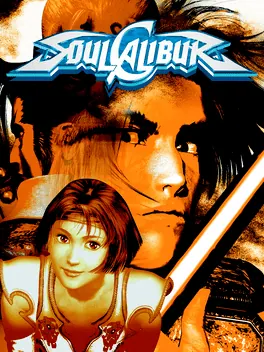
SoulCalibur
SoulCalibur is a weapon-based 3D fighting game developed by Project Soul and produced by Namco. It is the second game in the Soul series, preceded by Soul Edge (1996). Originally released in arcades in 1998, it ran on the Namco System 12 hardware. In 1999 it was ported to the Dreamcast with improved graphics and new features. The North American version was released in September 1999 as a launch title for the Dreamcast and was part of the successful launch of the new console. It became available as a downloadable title on Xbox 360's Xbox Live Marketplace in 2008. The title brought many innovations to the fighting game genre that include a heavy emphasis on weapons and a unique eight-way movement system. Soulcalibur is widely regarded as one of the best Dreamcast titles and is one of the most critically acclaimed fighting games of all time.
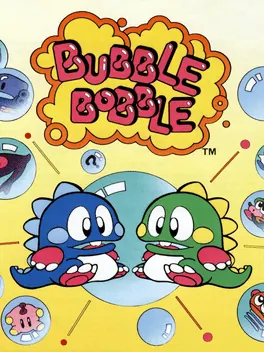
Bubble Bobble
In the game, each player controls one of the two Bubble Dragons, Bub and Bob. The player can move along platforms, as well as jump to those above and to the side, similar to most platform games. The player can also blow bubbles. These can trap enemies, who are defeated if the bubble is then burst by the player's spiny back. Bubbles that contain enemies can be popped at the same time resulting in different foods being projected around the level. Each enemy trapped in a bubble equates to a different food. Food is consumed and transferred to points (an increasing scale of 1000 points is awarded for each enemy burst in tandem with another meaning: one enemy burst equals one food item worth 1000 points, two enemies burst equals two food items worth 1000 and 2000 points, three enemies burst equals three food items worth 1000, 2000 and 4000 points, and so on), which results in earning lives. These same bubbles also float for a time before bursting, and can be jumped on, allowing access to otherwise inaccessible areas. Players progress to the next level once all enemies on the current level are defeated. Enemies turn "angry" — becoming pink-colored and moving faster — if they are the last enemy remaining, escape from a bubble after being left too long or a certain amount of time has been spent on the current level. A monster will also become angry if either player collects a skull (the only negative item in the game), and the monster is hit by the resulting comet crossing the screen (however, this is a rare occurrence). After a further time limit expires, an additional invincible enemy appears for each player, actively chasing them using only vertical and horizontal movements. These do not need to be defeated to complete the level, and disappear once a player's life is lost. Contact with enemies and their projectiles (rocks, lasers, fireballs, etc.) results in death.
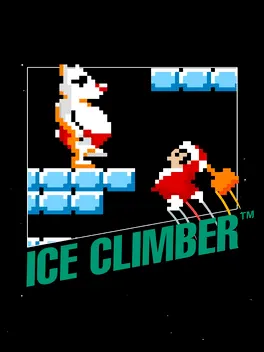
Ice Climber
If you can break through 8 levels of treacherous arctic ice, you'll reach the top of the mountain! But watch out. The Nitpickers, Condors, and Polar Bears don't want you up there. And they've got a bag of tricks that will test every ounce of your strength and courage. Are you going to let them stop you? No way! There are 32 mountains to choose from and endless thrills as you fight these arctic creatures alone or with a friend, and ascend to the top of the mountain in Ice Climber!
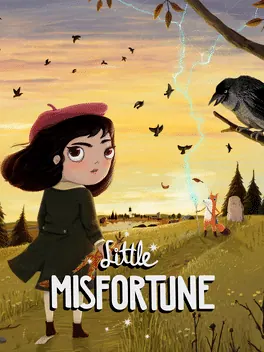
Little Misfortune
Little Misfortune is an interactive story, focused on exploration and characters, both sweet and dark, where your choices have consequences.
Pong
Pong is a table tennis-themed twitch arcade video game with simple two-dimensional graphics. It was the first sports arcade video game and one of the earliest arcade video games in history, helping to establish the video game industry along with the Magnavox Odyssey. Soon after its release, several companies began producing games that closely mimicked its gameplay.
Comix Zone
Comix Zone is an action platformer in which players control Sketch Turner as he progresses through panels of his comic book, hoping to reach the end and escape before his own creations finish him off. But there is hope. Now that he’s a comic book superhero, Sketch can kick some serious butt.
Mini Metro
Mini Metro is a strategy simulation game about designing a subway map for a growing city. Draw lines between stations and start your trains running. As new stations open, redraw your lines to keep them efficient. Decide where to use your limited resources. How long can you keep the city moving?
Super Hexagon
Super Hexagon is a minimal action game by Terry Cavanagh, with music by Chipzel.
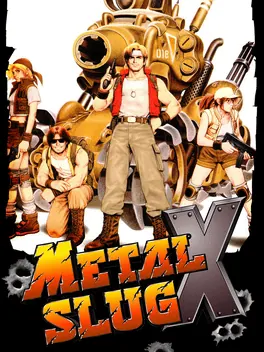
Metal Slug X
Metal Slug X is upgraded version of Metal Slug 2 (Metal Slug 2: Super Vehicle-001/I), which was released in March 1999 for the Neo Geo MVS. It fixed slowdown problems from the original game, and increased the difficulty. Metal Slug X also introduced some new elements to the game system.
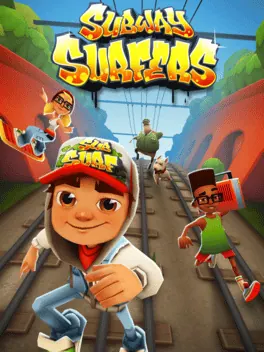
Subway Surfers
DASH as fast as you can! DODGE the oncoming trains! Help Jake, Tricky & Fresh escape from the grumpy Inspector and his dog.
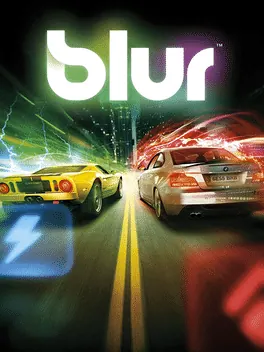
Blur
Made by the masters behind Project Gotham Racing and Metropolis Street Racer, Blur is a racing project by Bizarre Creations that aims to take arcade-style action and realistic driving physics to a whole new level. The game drops players into heart-pumping, electrified racing action with 20 cars on a track all targeting the finish line and battling each other as they trade paint and collect intense power-ups, including the ability to blast other cars out of the way with huge bursts of energy, boost their speed, and more. While controlling photo-realistic cars, gamers can use offensive and defensive attacks as they battle for the lead and careen through real-world track locations ranging from L.A. and San Francisco to the streets of Hackney, UK and the treacherous roads of Barcelona, Spain.
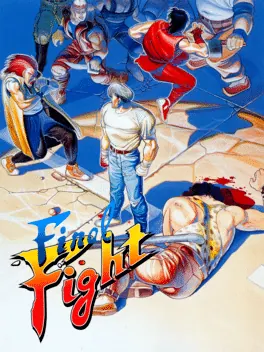
Final Fight
Final Fight is a side-scrolling beat-'em-up produced by Capcom. Final Fight can be played by up to two players simultaneously. Before the game begins, the player chooses between the three main characters: Haggar, Cody, and Guy. Each has his own fighting style and attributes. Health gauges are displayed for both player and enemy characters. The controls for Final Fight consist of an eight-way joystick and two buttons for attacking and jumping respectively. Pressing the attack button repeatedly when attacking an enemy or multiple enemies will cause the player character to perform a combo. The final blow of the combo can be changed to a throw if the player moves the joystick in the opposite direction just before landing it. The player can also perform a jump attack. Pressing the attack and jump buttons simultaneously allows the player to perform a special attack that strikes all surrounding enemies, but will drain a small portion of the player's health. Enemies can be grabbed simply by walking into one of them. When an enemy is grabbed, the player can perform a grab attack by pressing the attack button or perform a throw by tilting the joystick left or right. A thrown enemy can be tossed at another for additional damage. Items such as weapons, health recovery items, and items awarding extra points can be picked up by standing over one and pressing the attack button. Weapons have limited uses and will disappear if the player is disarmed by an enemy too much or when the player moves to a new area. Final Fight consists of six stages or "rounds", as well as two bonus rounds. Each round takes place in a different section of Metro City such as the Slums and the Subway, with most rounds featuring more than one level. At the end of each round the player will face a boss character unique to that round.
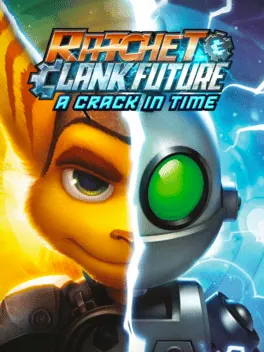
Ratchet & Clank Future: A Crack in Time
Ratchet & Clank Future: A Crack in Time (known as Ratchet & Clank: A Crack in Time in most PAL countries) is a platform game developed by Insomniac Games and published by Sony Computer Entertainment for the PlayStation 3 video game console. It is the sequel to Ratchet & Clank Future: Tools of Destruction and Ratchet & Clank Future: Quest for Booty. The game was released for the PlayStation 3 in North America on October 27, 2009, in Australia on November 5, 2009, and in Europe on November 6, 2009. A fourth installment, titled Ratchet & Clank: Into the Nexus, was released in November 2013 for the PlayStation 3.
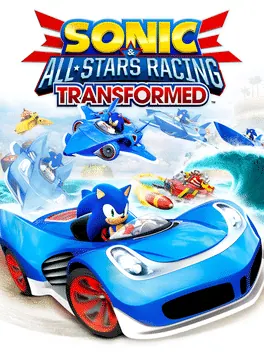
Sonic & All-Stars Racing Transformed
Race as Sonic and a host of legendary All-Stars and prepare to transform! Speed across land, sea and air in a high velocity battle to the finish line, as your amazing transformable vehicle changes from car to boat to plane mid-race. Racing on mobile will never be the same again!
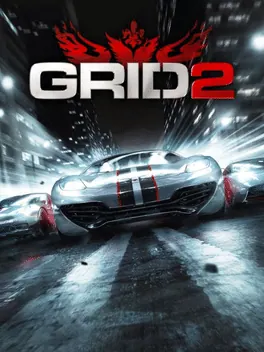
Grid 2
Be fast, be first and be famous as the race returns in GRID 2, the sequel to the BAFTA-award winning, multi-million selling Race Driver: GRID.
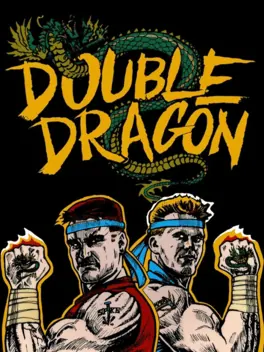
Double Dragon
Double Dragon is a 1987 beat 'em up video game developed by Technōs Japan and distributed by Taito for arcades across Asia, North America and Europe. It is the first title in the Double Dragon franchise. The player character has a repertoire of martial arts techniques which they can perform using the joystick and three action buttons (kick, jump, and punch) individually or in combination. Techniques range from basic punches and kicks to more elaborate manoeuvres like hair-grabbing moves and elbow strikes. When playing with another player, one can assist the other by grabbing their partner's opponent from behind. Caution should be taken, though, as some enemies can do the same thing to the players. The player begins the game with a certain number of extra lives and a life gauge which depletes as the player takes hits. If the life gauge runs out or the time limit reaches zero, the player will lose a life. There is a small variety of enemy characters that the player will face through the course of the game. Certain enemies carry melee weapons, which can be knocked out of their hands and picked up to use against them. Available weapons include baseball bats, whips, throwing knives, and dynamite; in addition, rocks, oil drums, and boxes can be found in certain places. The game is divided into four stages or "missions," consisting of a city slum, a factory, the woods, and the gang's hideout. The game normally ends if a single player defeats the final boss alone. However, if two players complete the game together, they are forced to fight each other to determine who will win Marian's affections.
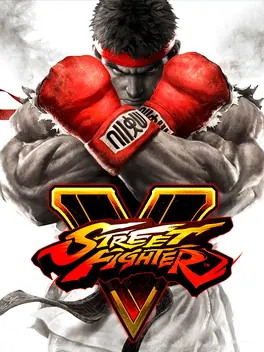
Street Fighter V
Experience the intensity of head-to-head battle with Street Fighter V! Choose from 16 iconic characters, each with their own personal story and unique training challenges, then battle against friends online or offline with a robust variety of match options. Earn Fight Money in Ranked Matches, play for fun in Casual Matches or invite friends into a Battle Lounge and see who comes out on top!
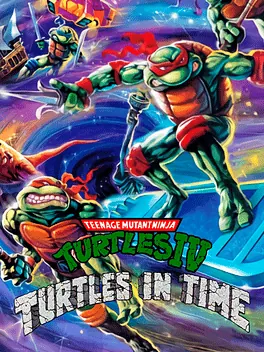
Teenage Mutant Ninja Turtles IV: Turtles in Time
Teenage Mutant Ninja Turtles IV: Turtles in Time, developed by Konami, is a side-scrolling beat ’em up for up to two players. It is the fourth game in the series, following Teenage Mutant Ninja Turtles III: The Manhattan Project on the Nintendo Entertainment System. Originally released as an arcade game, it was later ported to the Super Nintendo Entertainment System in 1992.
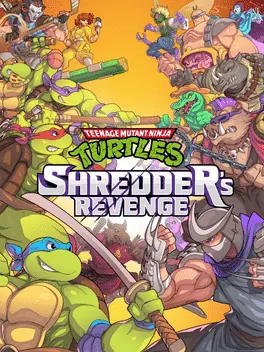
Teenage Mutant Ninja Turtles: Shredder's Revenge
Teenage Mutant Ninja Turtles: Shredder's Revenge is a side-scrolling beat 'em up developed by Tribute Games and published by DotEmu. Inspired by the 1987 Teenage Mutant Ninja Turtles animated series, the game pays homage to classic TMNT titles like Turtles in Time, featuring retro-inspired pixel art and dynamic combat. Players control Leonardo, Michelangelo, Donatello, Raphael, or other allies, each with unique abilities, as they battle through various levels to thwart Shredder and Krang's plans to conquer New York City. The game supports solo play or co-op for up to six players, blending nostalgic design with modern gameplay mechanics.
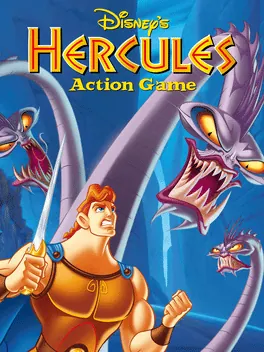
Disney's Hercules Action Game
Disney's Hercules Action Game is a platform game mainly two-dimensional, although in many missions the player can walk to other planes via pathways or stairs. There are ten levels and three difficulty modes: Beginner, Medium, and Herculean. Hercules can jump, grab ledges, swing on poles, and jump while running. He has a variety of attack moves at his disposal.
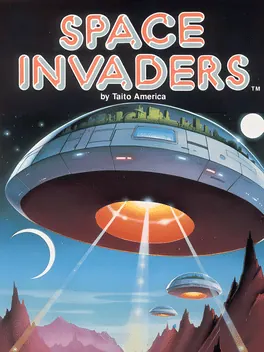
Space Invaders
Space Invaders is an arcade video game developed by Tomohiro Nishikado and released in 1978. It is one of the earliest shooting games and the aim is to defeat waves of aliens with a laser cannon to earn as many points as possible.
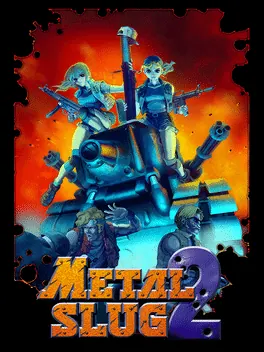
Metal Slug 2
“METAL SLUG 2”, the 2nd entry in SNK’s emblematic 2D run & gun action shooting game returns to the battlefield on the Steam gaming platform!
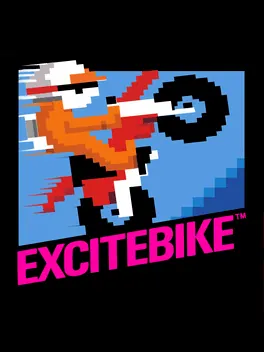
Excitebike
Excitebike is a motocross racing video game franchise made by Nintendo. It first debuted as a game for the Famicom in Japan in 1984 and as a launch title for the NES in 1985. It is the first game of the Excite series.
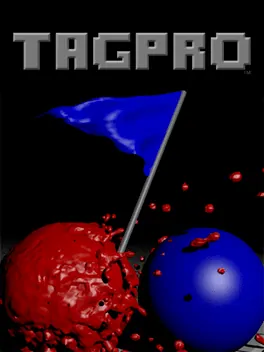
TagPro
TagPro is a free-to-play online multiplayer capture the flag video game originally designed and programmed by Nick Riggs. The first version was released in February 2013, after Riggs began experimenting with software platform Node.js. The game is named after one of its three obtainable power-ups. It follows the basic rules of capture the flag, along with some modifications, including power-ups, spikes, and other map elements.