
Jogos para Game Boy Advance
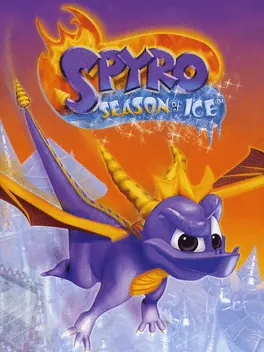
Spyro: Season of Ice
Spyro: Season of Ice is the first Spyro game not developed by Insomniac Games and to appear on the Game Boy Advance. Unlike the Playstation series, Seasons of Ice has the player controlling Spyro through an isometric overhead camera. However, all of Spyro's skills are still available to use, including his flame breath and glide. And the flying bonus levels make use of the Mode 7 technology in order to create the 3D like perspective.
Rhythm Tengoku
A rhythm-action game like no other from the same team that created WarioWare. Rhythm Tengoku contains 48 minigames that put your rhythm to the test in a variety of crazy scenarios. Rhythm Tengoku was developed by Nintendo R&D1 and released exclusively in Japan for the GBA in 2006 and in arcades with Sega's help in 2007. Being developed by the same studio responsible for the WarioWare games, Rhythm Tengoku mixes the mini-game based gameplay with rhythm game elements, featuring unusually high-quality music for a GBA game. The game started development in 2004. A 2002 prototype for a GBA drum sequencer was incorporated into Rhythm Tengoku as well: the player can freely drum within the Sound Test or take on 19 drum lessons. (Source) The game contains eight stages with five rhythm games and one remix of the previous five each, adding up to 48 different mini-games total. Each game can be completed without hitting every note perfectly, although doing so will unlock various rhythm-related bonus games and modes, such as a drum set where you have to mimic what the drummer does. Much like the Wario Ware series of games, Rhythm Tengoku is all about following your senses and trying to be aware of various cues in the visuals and audio. This emphasis on sense instead of language makes it quite easy for anyone to pick up and play, even though the game is entirely in Japanese (and consequently only available in the Asian region or through an import website). For example, one of the game's levels has you rapping with a computer-controlled character. He'll speak a colour-coded Japanese phrase, and the player must press 'A' in different rhythms. Although the game explains what rhythms to do for which phrase, non-Japanese speaking players can watch hand movements on-screen to figure it out without the need for language. Occasionally, challenges will crop up, asking you to complete a level without any mistakes. Doing so earns you a certificate for that level, and a pink heart with a 'P' on it appears in that level's description.
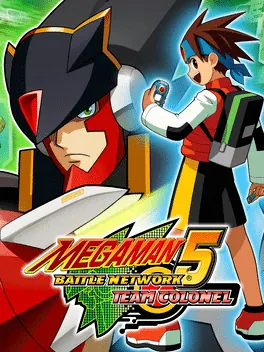
Mega Man Battle Network 5: Team Colonel
Team Colonel is the second edition of Mega Man Battle Network 5. In the game, you can join forces with characters from previous installments of the Mega Man Battle series, and you can play in a new fighting mode. Team up with other cyberheroes in an effort to stop an evil organization from taking control of the global Internet.
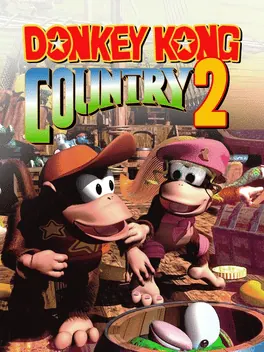
Donkey Kong Country 2
Donkey Kong Country 2 is a remake of the SNES game Donkey Kong Country 2: Diddy's Kong Quest. It is the second game in the series of remakes of the original Country trilogy for the Game Boy Advance.
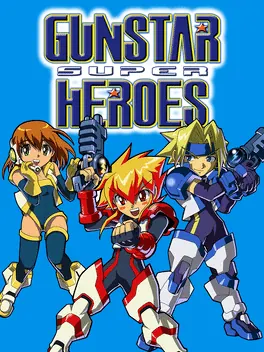
Gunstar Super Heroes
Blue and Red, the lead characters in Gunstar Super Heroes, must once again keep a stone of great power from falling into the hands of an evil empire intent on resurrecting the God of Ruin. Blue and Red take on the same adventure using different paths, effectively making for two unique play-through experiences. Players will tackle six wildly inventive levels and take on gigantic bosses that fill the entire Game Boy Advance screen.
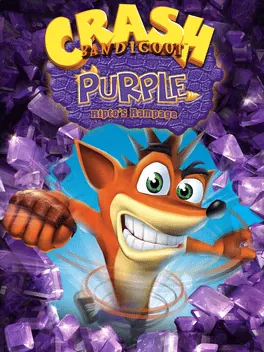
Crash Bandicoot Purple: Ripto's Rampage
Crash Bandicoot Purple: Ripto's Rampage is a handheld game featuring Crash Bandicoot in a crossover in the world of Spyro the Dragon. In these side-scrolling adventures, you can link up with three friends for a variety of multiplayer modes, including Party Games, Wager Games, and Card Trading. Connecting both Crash Bandicoot Purple and Spyro Orange gives you the option of unlocking special content and allows you to trade and wager the cards with friends.
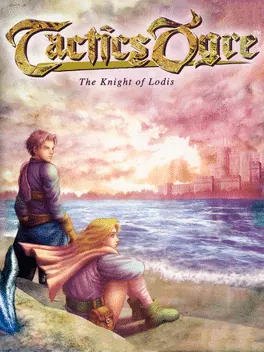
Tactics Ogre: The Knight of Lodis
"Highlights and Key Features: - Over 40 hours of gameplay and multiple endings! - Discover powerful character classes with the new Emblem System! - Cast a wide assortment of magic spells to defeat the enemy! - Go head-to-head against a friend by using the Game Boy® Advance Game Link® cable! - All new Quest Mode enables you to discover hidden items and weapons not available in the main game. - Utilize the Exchange Mode to trade items, spell books and characters with a friend. - Save up to 3 games!"
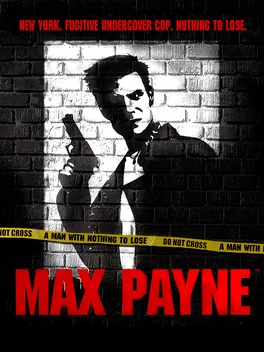
Max Payne
Dive into the dark and gritty world of Max Payne for the Game Boy Advance. This thrilling third-person shooter brings the critically acclaimed action of the original game to your handheld, delivering an intense and cinematic experience wherever you go. Step into the shoes of Max Payne, an undercover cop framed for murder, as he embarks on a relentless quest for justice and vengeance through the seedy underbelly of New York City. The game's gripping narrative unfolds through graphic novel-style panels, immersing you in Max's noir-inspired story of betrayal, loss, and revenge. Max Payne for the GBA features the signature "bullet time" mechanic, allowing you to slow down time during shootouts for stylish and strategic combat. Use an arsenal of weapons to take down enemies, employing acrobatic dives and precise shooting to survive the brutal encounters. Navigate through detailed environments filled with atmospheric graphics and dynamic lighting that bring the dark, rain-soaked streets of New York to life. The intuitive controls ensure smooth gameplay, while the compelling storyline keeps you engaged from start to finish. With its groundbreaking gameplay, captivating story, and immersive atmosphere, Max Payne for the Game Boy Advance offers an unparalleled action experience on a portable platform. Get ready to step into the shoes of a man with nothing to lose and everything to fight for in Max Payne.
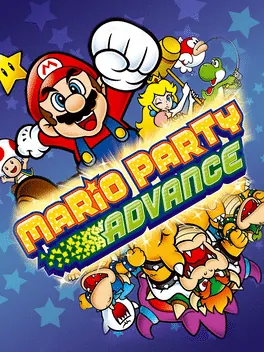
Mario Party Advance
It's a portable party on your Game Boy Advance! Mario Party Advance takes all the fun of the home console game and puts it in your hands. All-new mini-games and a host of Professor E. Gadd's incredible Gaddgets -- unique trinkets, toys, detectors and tricks like the Lip Disguise-o-matic that let you play tricks on your friends, test your compatibility and much more. Discover the 60 mini-games as you play through the single-player game boards. Earn coins as you play the mini-games, and use those coins to unlock Gaddgets you can use with your friends. Use your Gaddgets to take the game into the real world. Place your finger on the Finger X-Ray to see what's hidden inside, or use the Compatibility Meter to see how well you and your friends match up.
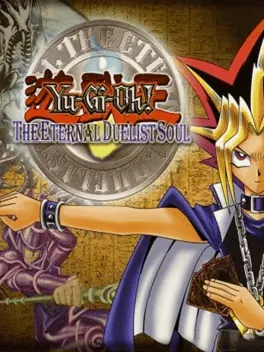
Yu-Gi-Oh! The Eternal Duelist Soul
Yu-Gi-Oh! The Eternal Duelist Soul is a Yu-Gi-Oh! video game for the Game Boy Advance. It is the international version of Yu-Gi-Oh! Duel Monsters 5 Expert 1. Gameplay is similar to standard dueling rules, except that the Side Deck allows less than 15 cards, and is more for convenience of getting to cards for your Deck than switching between duels, as CPU duels are single duels rather than matches (with some exceptions in events).
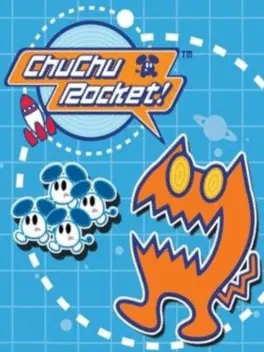
ChuChu Rocket!
The object of the game is to guide one or more mice ("ChuChus") around a board into one or more goals while avoiding cats ("KapuKapus") roaming the board. The mice and cats all move in predictable paths by always turning right when hitting a wall head on, by following corners or by turning around when in a dead end. ChuChu Rocket!'s multiplayer mode revolves around up to four players placing arrows on the level at once, trying to direct mice into their own rockets and cats into other players' rockets (any cat that reaches a rocket removes a percentage of the mice within). Each player can only have three arrows on-screen at a time and cannot place them on other players' arrows or their own arrows. Arrows would disappear over time, or could be removed by a player placing his fourth arrow (which would eliminate the first arrow placed, thus leaving three). Although a simple concept, this quickly becomes frenetic with the relentless speed of the mice and four players fighting over them.
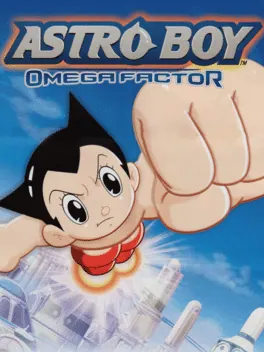
Astro Boy: Omega Factor
Join Astro, the robotic superhero with a human mind, in a quest to reunite the robotic race with humans. Astro uses his seven super abilities to face off against the likes of Atlas, Blue Knight, and more than 40 other characters. The game brings classic 2D gaming to the Game Boy Advance along with an original seven-episode story. Playing as Astro Boy, you'll learn about justice, compassion, evil, courage, and the history of Astro Boy--all while building Astro's Omega Factor and strengthening his character and superhuman abilities.
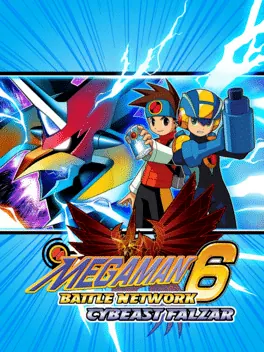
Mega Man Battle Network 6: Cybeast Falzar
In Mega Man Battle Network 6, Lan's father has received a job transfer and the family moves to Cyber City, a town known for conducting various technological experiments. Lan will meet new people and build new friendships in the real world while Mega Man befriends helpful Navis and encounters dangerous new enemies on the virtual plane. Together they will face threats far more powerful and perilous than they ever have before.
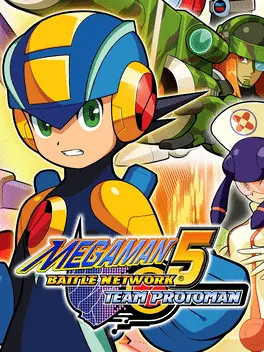
Mega Man Battle Network 5: Team Protoman
Team Protoman is the first edition of Mega Man Battle Network 5. In the game, you can join forces with characters from previous installments of the Mega Man Battle series, and you can play in a new fighting mode. Team up with other cyberheroes in an effort to stop an evil organization from taking control of the global Internet.
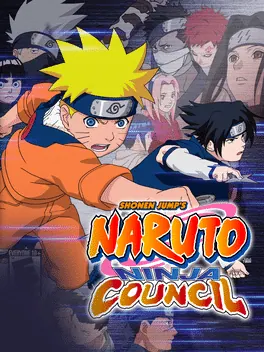
Naruto: Ninja Council
Naruto: Ninja Council, known as Naruto: Saikyou Ninja Daikesshuu in the Japanese version, is the first instalment in the Ninja Council series. There are scrolls that the playable character can obtain to perform abilities at the cost of chakra, which can be used to break down walls or create whirlwinds. The story mode very loosely follows the Prologue — Land of Waves arc to the Chuunin Exams arc. Players will have to protect, defend or defeat as they train hard to perfect their skills in order to progress through the ranks in over 40 missions. Players can activate special attacks using the Nintendo DS stylus on the touch screen or by blowing into the microphone, and can choose from 20 of their favourite characters. The game also features four game modes, dual screen and touch pen support, a new interchangeable attack system, and wireless play with up to four players.
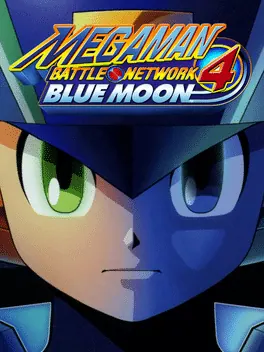
Mega Man Battle Network 4: Blue Moon
The fourth installment in the Mega Man Battle Network series comes in two versions--Red Sun and Blue Moon--each with different enemies, battle chips, souls, and characters. Once again, you assume the role of Lan as he and his friend, Mega Man.exe, fight to rid the Internet of viruses and other cyberworld enemies. Unlike previous games in the series, Mega Man Battle Network 4 focuses on a tournament system where players encounter a variety of enemies that must be defeated. A new Soul Unison system lets Mega Man transform into his defeated enemies.
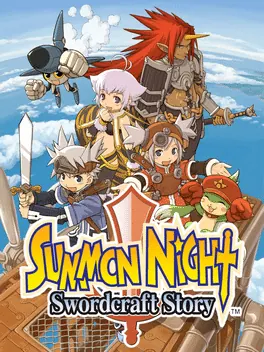
Summon Night: Swordcraft Story
Summon Night: Swordcraft Story is an RPG set in the strange world of Lyndbaum, a sacred land linked to four magical dimensions from which Summoners can call forth spirits called Guardian Beasts to do their bidding.
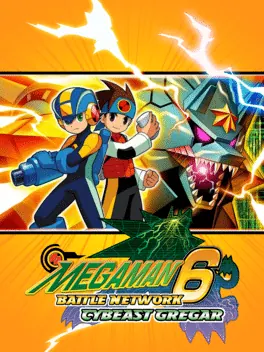
Mega Man Battle Network 6: Cybeast Gregar
In Mega Man Battle Network 6, Lan's father has received a job transfer and the family moves to Cyber City, a town known for conducting various technological experiments. Lan will meet new people and build new friendships in the real world while Mega Man befriends helpful Navis and encounters dangerous new enemies on the virtual plane. Together they will face threats far more powerful and perilous than they ever have before.
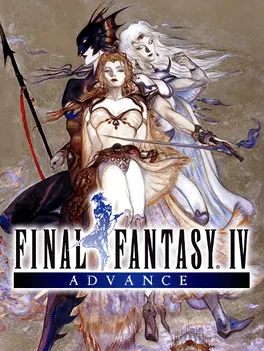
Final Fantasy IV Advance
Final Fantasy IV Advance is largely based on the WonderSwan Color version. Some changes include the addition of character portraits in text boxes, the ability to switch party members, increased difficulty, and new dungeons with new items and weapons along with new bosses. The script received a re-translation more faithful to the original material. The Quicksave, which allows the player to save the current position (regardless of where) in a file that is deleted upon loading, is featured.
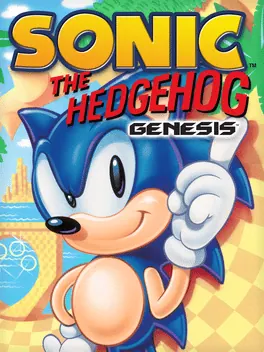
Sonic the Hedgehog Genesis
Sonic the Hedgehog Genesis, referred to as simply Sonic the Hedgehog on the title screen, is a Game Boy Advance port of Sonic the Hedgehog (1991) that was originally released for the Sega Genesis. It was released in November 2006 exclusively in North America to celebrate the 15th anniversary of the Sonic the Hedgehog series, marking the franchise's final release on GBA. The game was poorly received, mostly due to the screen crunch, low frame rate, and clunky physics, amongst other aspects.
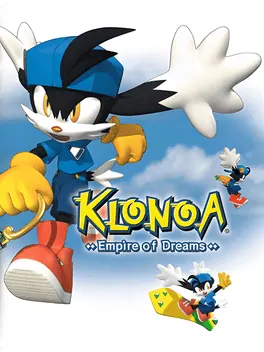
Klonoa: Empire of Dreams
A colorful and fun puzzle game with inventive level design, filled with great ideas that bring joy and delight to any gamer that enjoys a challenge.
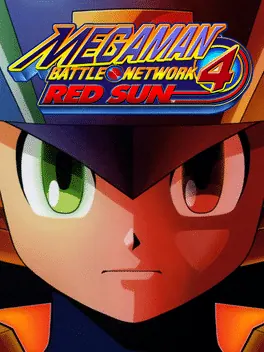
Mega Man Battle Network 4: Red Sun
The fourth installment in the Mega Man Battle Network series comes in two versions--Red Sun and Blue Moon--each with different enemies, battle chips, souls, and characters. Once again, you assume the role of Lan as he and his friend, Mega Man.exe, fight to rid the Internet of viruses and other cyberworld enemies. Unlike previous games in the series, Mega Man Battle Network 4 focuses on a tournament system where players encounter a variety of enemies that must be defeated. A new Soul Unison system lets Mega Man transform into his defeated enemies.
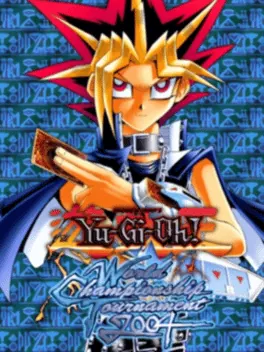
Yu-Gi-Oh! World Championship Tournament 2004
Find out who's the best card-battle player in Yu-Gi-Oh! World Championship Tournament 2004. Construct your monster cards, spell cards, trap cards, and special summon cards into three separate decks for different dueling strategies. You can conquer the tournament solo or link up with a friend in a multiplayer battle. With over 1000 game cards and dozens of popular characters from the Yu-Gi-Oh! TV series, the excitement and exhilaration of the Yu-Gi-Oh trading card game is captured in full force.
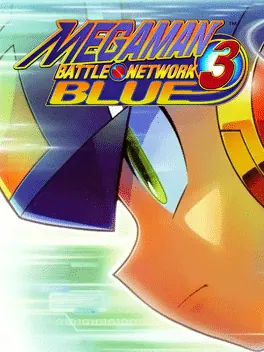
Mega Man Battle Network 3 Blue
Join Mega Mega.EXE, his pal Lan and friends as they keep the net safe from cyber mayhem in the most expansive battle network adventure yet. Together with the White version, find all of Mega Man's battle style changes, "Giga Class" Chips, enemies and discover more surprises just for you!
Grand Theft Auto Advance
Grand Theft Auto Advance is a handheld console game developed by Digital Eclipse, published by Rockstar Games, and released on October 26, 2004 for the Game Boy Advance. It is the only Grand Theft Auto game to not be developed by a Rockstar studio (formerly DMA Design). The game is played from a top-down perspective; this view angle was seen on the first two games in the series, Grand Theft Auto and Grand Theft Auto 2, but vehicle-based side-missions (such as "Vigilante" and "Paramedic"), the heads-up display and a large majority of the weapons, first introduced in the three-dimensional counterparts, have also been included. Unlike previous top-down Grand Theft Auto games, vehicles can now flip over. It is the first game from the Grand Theft Auto series which got a 16+ rating from PEGI and an M rating (recommended for mature audiences though any age is still allowed access) from the Australian Classification Board. The game was released on the same day as the North American release of Grand Theft Auto: San Andreas.
Final Fantasy V Advance
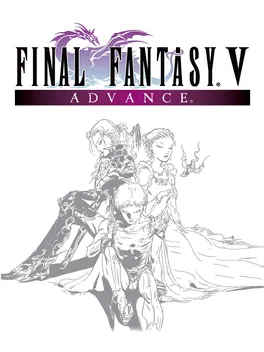
The winds fail. Ships stand still, unable to fill their sails. The world races to its end. Unless a handful of heroes can protect the remaining crystals, the world will fall into ruin. Set off on a grand adventure in the finest version of FINAL FANTASY V ever released!
Dragon Ball GT: Transformation
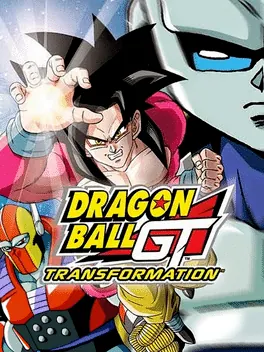
Dragon Ball GT: Transformation is a Game Boy Advance action game based on the Japanese cartoon Dragon Ball GT. Transformation follows the Dragon Ball GT storyline from the Child Goku Saga to the Baby Saga. You can create three-man teams from seven playable characters--such as Goku, Trunks, and Uub--and choose who you control in the middle of a battle.
Naruto: Ninja Council 2
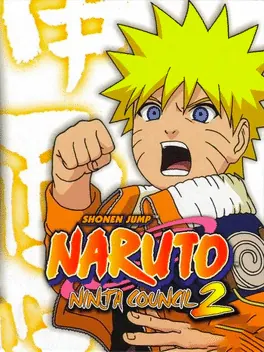
Action game, based on the Shonen Jump manga. This sequel to the very first Naruto game on the GBA (the second game was a much different simulation/adventure) has three-times the amount of stages and characters twice the size. The action is streamlined and more dynamic. Players can transform into Naruto, Sasuke and Sakura and use their abilities to defeat the scrolling stages. The game also utilizes the link cable for a two-player co-op mode and for a four-player battle mode.
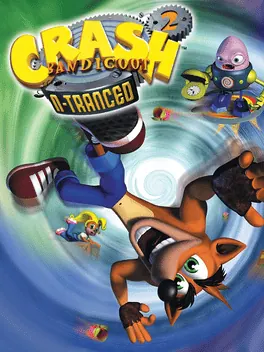
Crash Bandicoot 2: N-Tranced
Crash is back and ready to take on an all-new nefarious villain. After the events of Crash Bandicoot: The Huge Adventure, Tropy, with the help of N. Trance, kidnaps Coco and Crunch, planning to brainwash them to the evil side. Now, Crash must travel to N. Trance's twisted realm, battle and rescue Coco and Crunch, and ultimately defeat N. Trance and N. Tropy. To achieve these goals, you must use all of Crash's spin, slide, and jumping abilities across 24 different levels. As you progress through the game, you'll find yourself flying a helicopter, water-skiing, and piloting a spaceship--all for the sake of saving your friends.
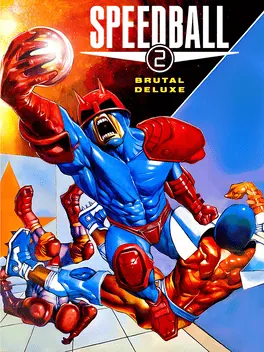
Speedball 2: Brutal Deluxe
Speedball is a futuristic football-like game which takes place on a steel walled floored pitch, 160 feet long by 90 feet wide. There are two teams, and the team scoring the most goals wins. There is a goal at each end of the pitch and a ball warp tunnels in each side of the wall. The warp tunnels can warp a ball from one tunnel to another. The ball is launched from the center of the pit by the automatic launcher in a random direction. There also bounce domes, off of which the ball will be deflected, but over which players are free to move. This version of the game comes with a much better VGA graphics and Sound Blaster sounds. The game-play is also greatly enhanced.
Final Fantasy VI Advance
Final Fantasy VI Advance is more than a simple port of the SNES classic: every aspect of the games has been reviewed and enhanced. Additionally, a host of brand-new elements has been seamlessly merged with the original game, providing unexpected surprises for longtime fans. With new dungeons, new job classes, and other exciting features, both old-school players and newcomers can enjoy this genre-defining FINAL FANTASY title in a portable format.
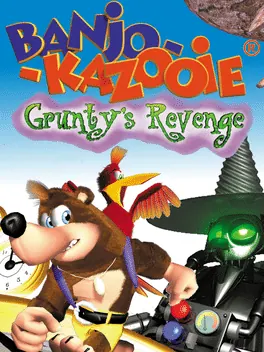
Banjo-Kazooie: Grunty's Revenge
Gruntilda is back, and only Banjo and Kazooie can stop her master plan! Travel through time encountering puzzles, battles, and meeting friends old and new in this all-new Banjo-Kazooie adventure!
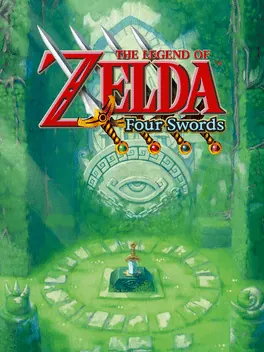
The Legend of Zelda: Four Swords
The Legend of Zelda: Four Swords is a multiplayer game in the Zelda series originally released together with The Legend of Zelda: A Link to the Past for the Game Boy Advance. The game has many features not seen in the series and it requires at least two people to play and uses randomly generated dungeons. During the game, players must collect as many Ruppees as possible while solving puzzles and defeating enemies. When enough Ruppees are collected, the Great Fairy will give the players a key to open the unlockable level. At the end of each level, the one who collects the most Ruppees will be the winner.
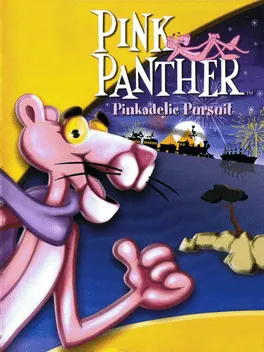
Pink Panther: Pinkadelic Pursuit
In this side-scrolling action platformer, you control the Pink Panther in his quest to find hidden treasures. You'll be travelling through colorful 3D environments and themes including Medieval, Underwater and Outer Space.
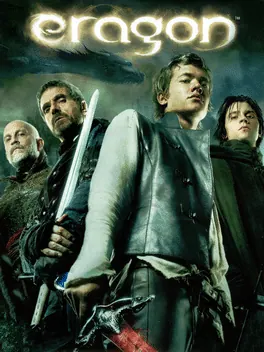
Eragon
Eragon is a third-person video game released for the PC, PlayStation 2, Xbox, and Microsoft Windows, developed by Stormfront Studios. Also released are unique versions of Eragon for the Game Boy Advance, Nintendo DS, PSP, and mobile phone handheld gaming systems, primarily developed by Amaze Entertainment.[1] The game is based upon the Eragon film, which is in turn loosely based on the book Eragon, by Christopher Paolini. The games were released on November 14, 2006 in the United States of America, on November 24, 2006 in European[2] and on November 23, 2006 in Australia[3] in order to coincide with the release of the film. In the game the player takes on the role of the protagonist from the book and film, Eragon, and occasionally controls his dragon Saphira. The game was generally received poorly by critics, usually receiving press averages around the 4-6 out of 10 region (or the equivalent).[4][5] The combined sales in North America were over 400,000 copies.[6]
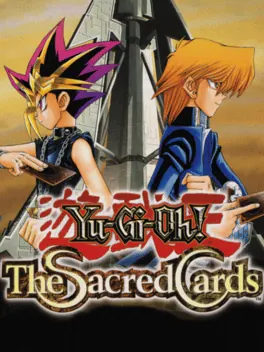
Yu-Gi-Oh! The Sacred Cards
In Yu-Gi-Oh! The Sacred Cards, it's just as important to play your cards right as it is to get the right cards. This unique RPG gives you cards as weapons against the tough competition. You'll battle in a tournament hosted by Kaiba Corporation and win the powerful Egyptian God Cards. Based on events from the Yu-Gi-Oh! animated TV series, The Sacred Cards offers hundreds of cards, over 100 duelists and rivals, and unexpected twists and surprises.