
Jogos para Super Famicom
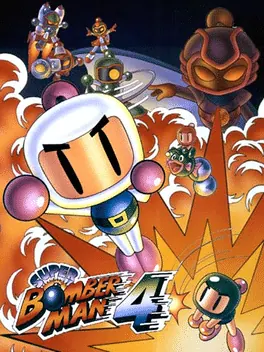
Super Bomberman 4
The fourth SNES game in Hudson's explosive multiplayer series sends White Bomber and Black Bomber hurtling through time.
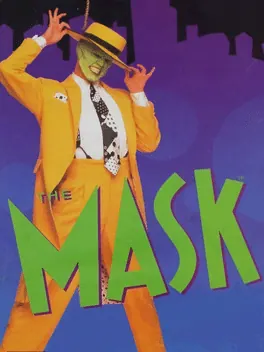
The Mask
The Mask is based on the movie with the same name. The story follows poor guy Stanley Ipkiss who finds a mysterious mask and is given mysterious powers from it.. As in the movie, Stanley (aka The Mask) has some funny weapons, like the Guns, the Horn, the Hammer and the ability to transform into a big Tornado. He battles through levels inspired by the movie, including his apartment, the city streets, the bank, the park, the jail, and the night club for the final showdown.
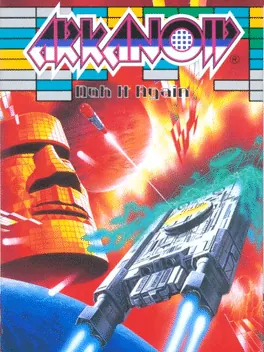
Arkanoid: Doh It Again
Much like the game Breakout, the player controls the "Vaus", a space vessel that acts as the game's "paddle" which prevents a ball from falling from the playing field, attempting to bounce it against a number of bricks. The ball striking a brick causes the brick to disappear. When all the bricks are gone, the player goes to the next level, where another pattern of bricks appear. There are a number of variations (bricks that have to be hit multiple times, flying enemy ships, etc.) and power-up capsules to enhance the Vaus (expand the Vaus, multiply the number of balls, equip a laser cannon, break directly to the next level, etc.), but the gameplay remains the same.
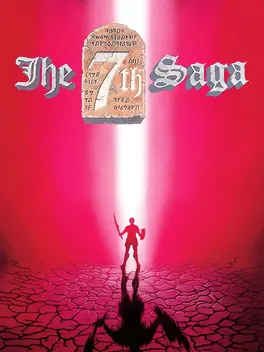
The 7th Saga
The game takes place on a world called Ticondera. 5000 years ago, a divine being named Saro defeated an evil entity named Gorsia with the power of seven runes. In the years since then, the runes have been scattered across the globe. Lemele, the son of Saro, was born 100 years ago, and became a hero when he defeated the demon Gariso. Now 100 years old, Lemele has become the benevolent and powerful ruler of the world. The 7th Saga is the localized version of the Super Famicom game Elnard. It is infamous for its high difficulty, whereas its Japanese counterpart is much easier. The 7th Saga also features some other changes, such as different character sprites.
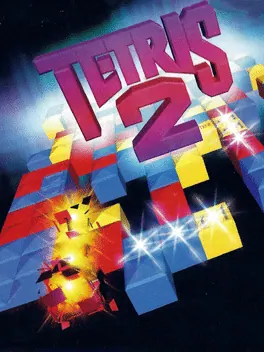
Tetris 2
SNES release of "Tetris 2". The mesmerizing fun of Tetris returns - and the challenge escalates to new heights! Test your dexterity, tease your brain and rack up points with Tetris 2. Your split-second decisions lead you to a new dimension in puzzle-solving action! Play alone or challenge a friend in simultaneous split-screen action. A tougher Tetris with more shapes, more components, 30 levels - and unlimited solutions! If you loved the international game sensation Tetris, you'll be wild for the newest dimension in puzzle fun: Tetris 2!
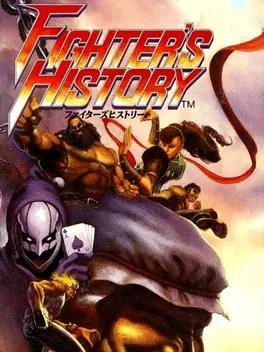
Fighter's History
Fighter's History is a 1993 arcade fighting game developed and published by Data East. It's the inaugural game in the Fighter's History series. The main unique feature of the Fighter's History is its weak point system, which allows the player to temporarily stun an opponent by repeatedly hitting their weak point. Fighter's History became infamous for being the subject of a lawsuit against Data East by Capcom, who claimed the game is too similar to its hit title, Street Fighter II, and as such is copyright infringement on its property. The case was found in Data East's favor however, as the court found that the copied elements were scenes a faire, elements necessary for depicting the scenario. The game was later ported to the Super Nintendo Entertainment System in 1994, and followed by a sequel Karnov's Revenge for Neo Geo. There are three different gameplay modes are available. CPU Battle is the traditional arcade mode, where the player select a character and try to complete the game by beating all of the other fighters. In survival mode, the player select a team of five characters to go up against another team. And finally versus mode, where the player can go up against his friends.
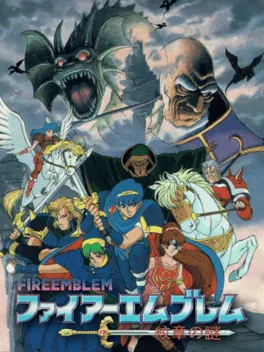
Fire Emblem: Monshou no Nazo
Fire Emblem: Monshou no Nazo (translated as Fire Emblem: Mystery of the Emblem in Fire Emblem: Awakening) is a Japanese tactical role-playing game developed by Intelligent Systems and published by Nintendo. It is the third game in the Fire Emblem series and was released in Japan on January 21, 1994. It was the first Fire Emblem title for the Nintendo Super Famicom and the first twenty-four-megabit cartridge for the system. The game is divided into two distinct parts, or "books". Book One is a remake of the original Fire Emblem: Shadow Dragon and the Blade of Light, and Book Two is a continuation of events, following the same characters.
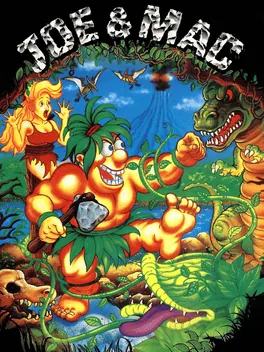
Joe & Mac
The Super NES version of Joe & Mac is a reworked game which features an overworld map used to choose the levels (unlike in other versions where all of them have to be played), which were longer, plus some bonus stages (either in the levels or out in the world map) and a different final boss.
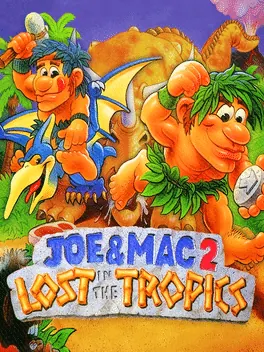
Joe & Mac 2: Lost in the Tropics
Improving on the original's platformer/brawler co-op gameplay, this game adds adventure and role-playing game elements that create a more involving experience compared to the first game. You can now collect coins in the levels to purchase items from Tiki Village, such as meat to recover your health, or even remodel your hut back at your home village. The game also uses a password system to track your progress. The game also shifts to an overhead map so you can wander to whichever level you wish, and return to completed levels to earn more money or power-ups.
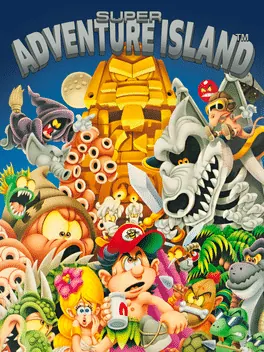
Super Adventure Island
Master Higgins is back in his wildest and greatest adventure of all! His girlfriend, Jeannie Jungle, has been turned to stone by the evil Dark Cloak. Now he must leap into action to defeat the scores of guardian animals and monsters that protect the wicked wizard. Join Master Higgins as he reaches new heights of adventure on his high flying skateboard. Speed through underground caves in a crazy mine car ride! Go from tropical shores to the belly of a whale - all in search of his final battle with the mad magician, Dark Cloak!
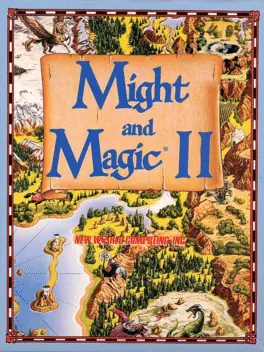
Might and Magic II: Gates to Another World
The Sequel to the successful Might and Magic I, it boasted better graphics, a larger world, but still pretty much the same game engine and presentation. Embark on a glorious journey then save the world of CRON and yourself. A balanced party is a necessity in this game. There are several locations and items that are restricted to certain genders, alignments, or races. A party made up of Good Human Males won't get you very far. Time plays a large role in this game. Time travel is a part of it, but on a more basic level, you will find that characters age as the game goes on. If you wait too long, your characters' statistics will change to reflect their aging.
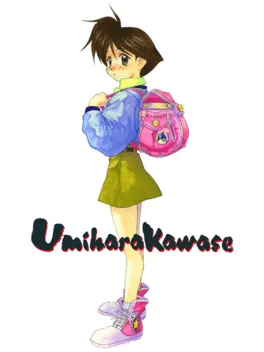
Umihara Kawase
Umihara Kawase is a girl who uses a fishing hook as a grappling hook. You’ll need quick reflexes to swing your way through the branching surreal environments. Use your brains to figure out the best way through. They say fish is brain food—you’re going to need it!
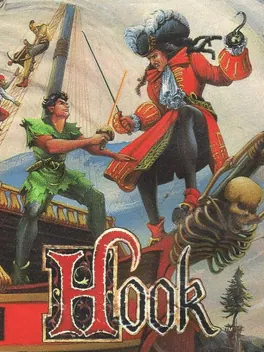
Hook
In this video game adaption of the Steven Spielberg film Hook, the player takes the role of a grown-up Peter Pan, whose kids have been kidnapped by Captain Hook. Tinker Bell takes Peter back to Neverland where he must again become Pan and reclaim his children. These versions are side-scrolling platform games. The Genesis, Sega CD, and Super NES versions all have 11 levels, While the Game Gear version has only 8. Each version features various locations that include caves, forests, lagoons, and snowy mountains. Throughout the game, the player must defend against Hook's pirate henchmen, as well as spiders, snakes, and skeletons. Peter Pan's primary weapon is a dagger. After completing the first level, the player receives the golden sword as a weapon, capable of shooting balls of energy. If the player is attacked, Peter Pan drops the sword and must use the dagger, while the golden sword can sometimes be retrieved in the following level. The player's health meter is measured as leaves. The player begins with two leaves, and loses one each time an enemy attacks. The player can collect additional leaves throughout the game to increase the health meter, for a maximum total of four leaves. Fruits that are scattered throughout each level can be collected to refill the player's health meter. After collecting pixie dust, Peter Pan has the ability to fly for short periods of time, until the Fly Meter becomes empty. Tinker Bell appears throughout the game to refill the Fly Meter. The game does not include a password feature.
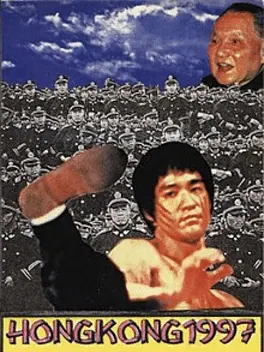
Hong Kong 97
Hong Kong 97 is a 1995 multidirectional shooter video game made in Japan for the Super Famicom in disk drive format by HappySoft Ltd., a homebrew game company. The game was designed by the Japanese game journalist Kowloon Kurosawa (クーロン黒沢), who said the game was made in about a week. The game has gained a cult following in Japan and Taiwan for its notoriously poor quality — it has been ranked as a kusoge, which literally means "shitty game", a game considered "so bad that it's good". It has since been given multiple parody treatments. The game also achieved Number One "Wacky Japanese Game of All Time" in the XLEAGUE.TV video game TV show Wez and Larry's Top Tens and was featured in an episode of the Angry Video Game Nerd.
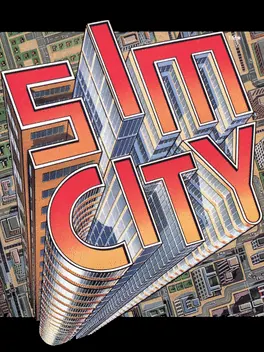
SimCity
SimCity (SNES) was originally released in Japan in April 1991, the first console game in the SimCity series, and one of the launch titles for the Super Famicom/Super Nintendo Entertainment System in North America when the console was released there in August the same year. It was developed by Nintendo EAD under license from Maxis and published by Nintendo. It has some differences from the original game, among them is the presence of an original Nintendo character called "Dr. Wright". There are also unlockables based on Nintendo franchises such as Mario.
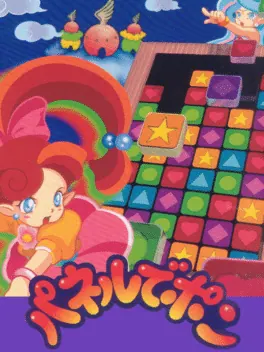
Panel de Pon
A tile matching puzzle game for the Super Famicom, the first in the Puzzle League series. It was later modified to feature Yoshi and Mario related characters to be released in the western regions, under the name of "Tetris Attack". It was also a downloadable game for the Satellaview that was broadcast in at least 4 runs between November 19, 1995 and January 31, 1998. Although the game was Japan exclusive, it did eventually see releases in the rest of the world in 2020 as part of the Nintendo Switch Online lineup.
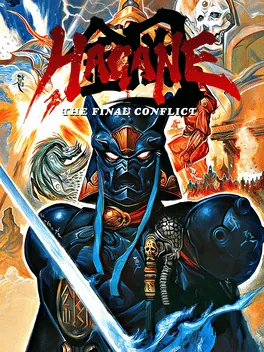
Hagane: The Final Conflict
Hagane: The Final Conflict is a 1994 action-platform video game developed by CAProduction and published by Red Entertainment and Hudson for the Super Nintendo Entertainment System. The player takes on the role of a ninja cyborg named Hagane on his path to take revenge on an opposing ninja faction. The game combines traditional Japanese ninja and samurai aesthetics with a futuristic setting. The player has a wide variety of weapons, moves, and attacks at their disposal to defeat enemies and progress through the game. Hagane released to positive reception, and was compared favorably to classic side-scrolling action games. Reviewers praised the controls, art design, and challenge but criticized the quality of the graphics and sound.
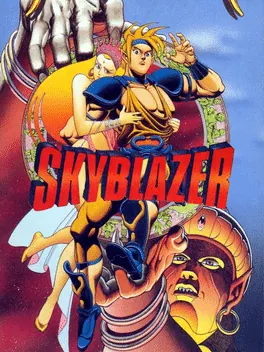
Skyblazer
Arianna, a young sorceress, has been kidnapped by Ashura. Sky has pledged his life to rescuing her. Sky must venture through many colorful stages and nice background effects. Skyblazer is a blend of side-scrolling fighting with magical skills. Locating potions to recover energy and gaining magic points to thrash the enemies becomes a major part of the gameplay. Sky can also stick to and climb vertically up walls.
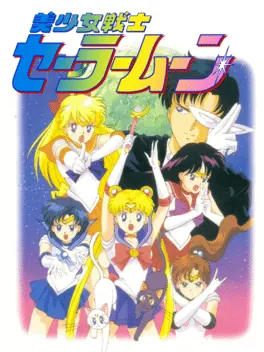
Sailor Moon
Sailor Moon (or Bishoujo Senshi Sailor Moon) is a beat 'em up video game developed by Angel in 1993, and ported to the Super Nintendo Entertainment System. It was localized in Europe exclusively in French in 1994. The Mega Drive version was developed and published by Ma-Ba, although certain elements were recycled from the Super NES version.
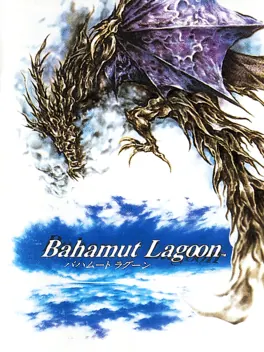
Bahamut Lagoon
Bahamut Lagoon combines RPG mechanics with squad-based combat. Characters have HP, MP (SP for fighter characters), EXP, equipment, stats and class-specific, SP-draining special elemental abilities very much like traditional console RPGs. The player can explore his surroundings, talk to people and visit shops when not in battle, though to a limited degree as there is no world map and no way to leave the current area. The game's core is its turn-based battles fought on a 2d grid. Characters are assembled into parties of four and the player allowed a maximum of six parties, which are usually well outnumbered. The two opposing sides act in alternating turns so that each party can move once and/or attack once a turn. Attacks are divided into distant and close-up combat. In the former, a party uses a special ability (e.g. casting fireballs, throwing lightning, healing allies) of one of its members at a distance. The range and possible area of effect damage vary per ability. If the attacking party has two or more characters with the same ability, they join in the action to multiply its effectiveness. Distant combat results in less money and generally less damage, but the target cannot retaliate. Distant attacks can also affect the field; fire and ice ignite or extinguish forests and melt or freeze ice, etc. Close-up, each unit in two adjacent opposing parties can act once. Very much like Final Fantasy SNES combat, they can attack an enemy, use an item or a special ability (though these can't be combined and most only affect one target instead of all) or defend. Dragons are the player's ace in the hole. They have their own stats and gain experience like normal characters do. In battle, each party has a dragon attached to it and draws a large portion of its strength from that of its dragon: if a party's dragon is slain, the party will lose the ability to use special attacks and class-specific abilities for the remainder of the map. The beast acts as a very powerful autonomous unit that moves after its party does and it cannot be controlled beyond very simple commands, e.g. "Come!" Out of battle, dragons will eat anything and raising them by feeding them items is an important part of the game. Feeding can improve their stats as well as affect their behavior on the field, and the dragons develop into new forms as they grow. The player can change the characters in each of the parties, their formation as well as what dragon represents them at will.
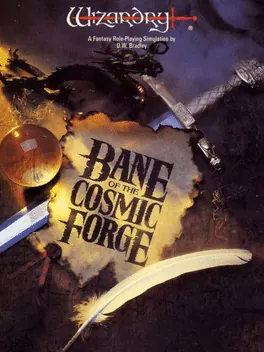
Wizardry: Bane of the Cosmic Forge
Ten years ago, Wizardry set the standards in Fantasy Role-Playing (FRP). Now after two million copies have been sold and dozens of awards have been won, Bane of the Cosmic Forge raises and redefines those standards. This new Wizardry , the truest simulation ever of Fantasy Role Playing, will push your computer, your mind, and your sense of adventure to their very limits. Only through the power of the latest computer technology could the full dimensions of this new genre in FRP be possible.
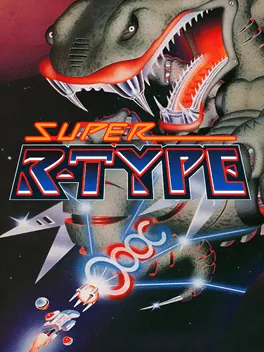
Super R-Type
In this SNES sequel to the arcade R-Type shooters, you are the R-9, Earth's most advanced form of defense against the evil BYDO Empire. There are seven stages you must go through, picking up power-up items to defeat the stage bosses which have returned from the arcade versions of R-Type and R-Type II. Your R-9 ship can also be united with FORCE, which are invincible units that surround your ship to protect you and can also power up and attack.
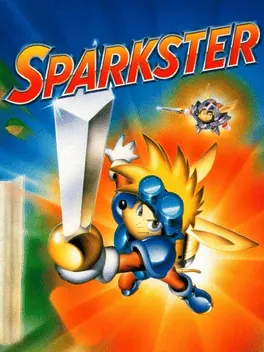
Sparkster
The eponymous main character is an opossum knight who fights an army of yellow wolves and robots. He is armed with a sword that can fire energy bolts and a rocket pack that allows him to fly short distances. The gameplay remains mostly the same as in Mega Drive games, with the most notable change being the addition of a short-distance rolling dash. One major difference is that the game's final level depends on a difficulty player selected. On easy, the game culminates with battle against Axel Gear, but on normal, the story continues with Sparkster fighting the leader of the Wolves on the next level. On hard difficulty, the game continues beyond that, with the true final stage.
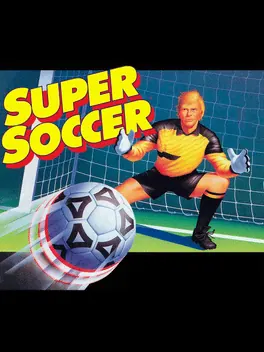
Super Soccer
Let's play soccer - the world's favorite sport! In Super Soccer you can choose between an Exhibition mode and a Tournament mode. While the first mode lasts a single game only the Tournament mode challenges you with 16 consecutive games, facing the Nintendo Allstar Team in the final round. The field is shown in a top-down perspective. Scrolling is done by Mode 7 chip. Difficulty varies with the opponent team, ranging from easy to hard in later games in the tournament. After winning a match in the tournament mode, you will be rewarded witch a code in order to pick up the game in the same round of the tournament later on.
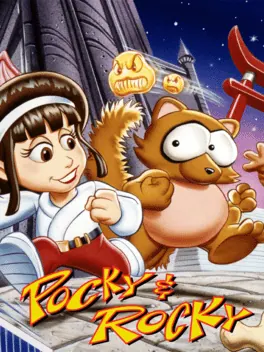
Pocky & Rocky
Pocky was enjoying a quiet cup of tea in her shrine, when Rocky the Raccoon, a Nopino goblin came running to Pocky. "Something terrible has happened. My fellow Nopino goblins have lost their minds. When I woke up, they were very agitated. When I tried to calm them, they came after me." "Why"? "I don't know, but I believe that they are under the spell of another force.... In any case, I can not handle this by myself. I need your help." Who on earth has cast the spell and are controlling the Nopino goblins? And what for? Find out as Pocky and Rocky battle the Goblins in this epic adventure from Natsume.
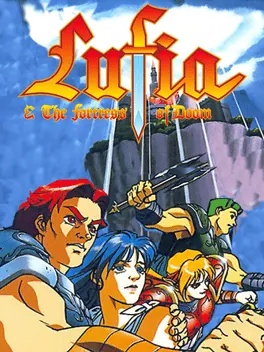
Lufia & the Fortress of Doom
The Sinsitrals, four masters of Doom, arrived in this land on their floating island 100 years ago. You will begin your quest by travelling through time to join in a temendous battle against them--and you will determine the outcome. When you return to present time, you and Lufia, your companion, must join forces with two others to prevent the Sinistrals from regaining control of your world. It will be a long and difficult task--This land is larger than that of most RPG games. And in the end, the balance of fate will be overturned in a contest of love and betrayal that could destroy you all.
Super Tennis
Super Tennis is a 1991 tennis video game for the Super NES. It released at early points in the Super Nintendo's shelf lives and utilized mode 7.
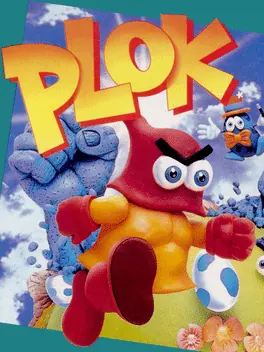
Plok
Plok is a side-scrolling platform game developed by Software Creations and released for the Super Nintendo Entertainment System in 1993. The game is a traditional platform game starring a character named Plok.
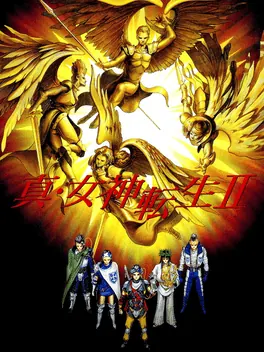
Shin Megami Tensei II
Fifty years have passed since the hero of Shin Megami Tensei followed the neutral path, defeated the leaders of Law and Chaos, and founded a state where followers of both ideologies could live freely. But his reign of freedom doesn't last long. The Messian faith gains power, expanding the Cathedral into a new enclosed environment named Tokyo Millennium. The Gaians rise up, but their rebellion is repressed by the Messians' elite warrior class, the Temple Knights. People flock into the encapsulated city, submitting themselves to the strict hierarchy imposed by the Messian Center, where only the privileged living in the Center district are safe from demonic assaults. A few years later, a retired arena fighter Okamoto rescues a man named Hawk, who was fighting for his life against a demon. He trains him to fight in the arena of the Valhalla district, hoping that he would win the tournament, which will grant them both citizenship in the Center district. When Hawk succeeds, he is brought before a Messian bishop, and learns the shocking truth about his own origins and the role he is supposed to play in the grand scheme of events. A new battle for a better future begins. Shin Megami Tensei II retains all the gameplay features of the previous game. The player is able to summon demons, fuse them to create more powerful ones, make them participate in battles, talk to random enemies and receive information from them, etc. The combat is turn-based, and the player explores the complex, maze-like dungeons from a first-person perspective view. Like in the first game, the Law, Chaos, and Neutral alignments play an important role: during the course of the game, the player will have to make choices that influence the alignment of the protagonist, steering the storyline into different directions. New features include a "magic succession" system, which allows demons to carry over their original magic spells when they are fused into new ones, a few additional spells and abilities, and the possibility to play at the casino and win unique items.
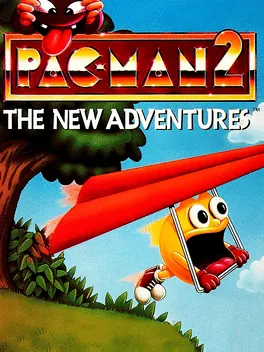
Pac-Man 2: The New Adventures
Pac-Man 2: The New Adventures, known in Japan as Hello! Pac-Man, is a side-scrolling adventure game "sequel" to Pac-Man. Instead of being a maze game like the majority of its predecessors, Pac-Man 2 incorporates light point-and-click adventure game elements. It was produced and published by Namco for the Super Nintendo Entertainment System (SNES) and Sega Mega Drive/Genesis systems, and was released on April 6, 1994 by Namco. The game borrows its structure and certain elements from Pac-Land, and also appears to contain certain elements from the animated series, such as Pac-Man's family and a main villain commanding the ghosts. The Genesis version was not released in Japan or Europe.
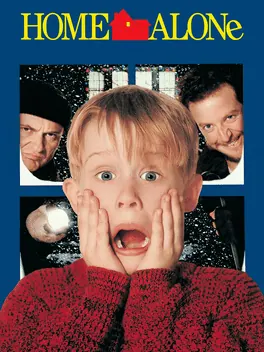
Home Alone
Harry and Marv, the bumbling "Wet Bandits," have paid their debt to society and are now ready to get revenge on the youngster that caused them their humiliating defeat Kevin McCallister. They have arranged for Kevin's family to be out of the house when they come calling again, leaving him home alone for their rematch. This time, the sneaky thieves have beefed up their gang with robbers and crooks that are more than eager to help themselves to the McCallister valuables. Only the resourceful Kevin stands between the new Wet Bandit gang and his family's fortune.
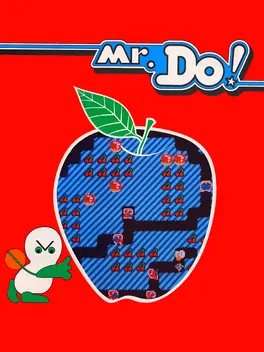
Mr. Do!
Mr. Do! is an arcade game created by Universal in 1982. Similar in some ways to Namco's popular Dig Dug title, Mr. Do! was also popular and saw release on a variety of home video game consoles and systems. It is the first game in the Mr. Do series, and was released both as a standalone game and as a conversion kit (released by Taito Corp.) for existing arcade cabinets. It was one of the first arcade games to be released as a conversion kit, and went on to sell 30,000 units in the United States. It was also a popular choice on the 1983 video arcade-based game show Starcade.
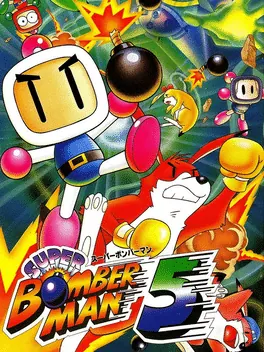
Super Bomberman 5
An evil Bomber named Emperor Terrorin who has the power of Time itself has freed various criminal Bombers from their prison cells in orbit around Planet Bomber. Setting them up in a warped time and space, Shirobon, Kurobon, and their Louie (Rui) companions must travel through stages and defeat them before going up against Emperor Terrorin himself. Super Bomberman 5, released by Hudson Soft in early 1997, was the final Bomberman game released on the Super Family Computer - the Japanese version of the SNES. The game was released in two variations: a standard cartridge and a gold cartridge, which was sold exclusively through CoroCoro Comic. The gold cartridge included extra maps in battle mode.
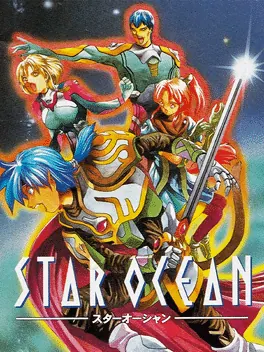
Star Ocean
The first game from tri-Ace released on the Super Famicon published by Enix. A huge scale role playing game with beautiful graphics and sound that were impossible on the regular Super Famicon, that includes skills, talents, special move system, item creation, private action and full motion active battles.
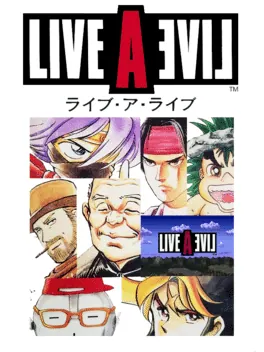
Live A Live
Live A Live's story is split across seven seemingly unrelated chapters that can be played in any order, based on popular genres such as Western, science fiction, and mecha. Each chapter has its own plot, setting, and characters. Although the basic gameplay is the same throughout the game, each chapter adds a new factor to the basic formula, such as the stealth elements in the ninja chapter. After the first seven chapters are completed, two final chapters take place to establish the connection between the seven previous and resolve the story.
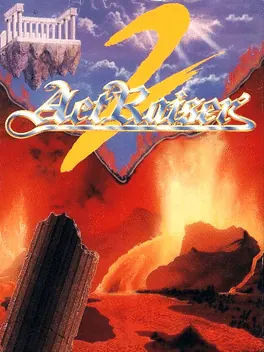
ActRaiser 2
ActRaiser 2 is a side-scrolling platform game for the Super Nintendo Entertainment System developed by Quintet and published by Enix in 1993. The game is a sequel to the original ActRaiser, but the storyline is not directly connected to its predecessor; however, many plot details suggest that ActRaiser 2 may actually be set before the events of the original ActRaiser, or takes place in another universe entirely. Otherwise, the given story draws concepts from the famous religious epics Paradise Lost and the Divine Comedy. Unlike the original game, which alternately combined platform game sequences and god game sequences, ActRaiser 2 is only a platform game.