
Jogos para Super Nintendo Entertainment System
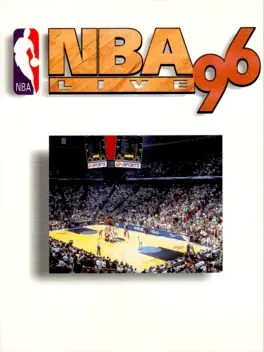
NBA Live 96
As with all games in the NBA Live series you can draft, trade and edit players. Play a full season, exhibition or just the playoffs. 96 includes 29 teams including the expansion Toronto and Vancouver teams.
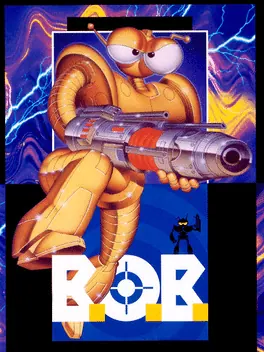
B.O.B.
B.O.B. (known in Japan as Space Funky B.O.B.) is a video game that was released in 1993. It is a side-scrolling game, a 2D shooter and a platform game.
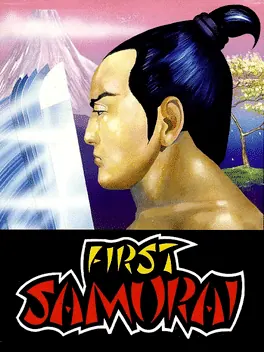
First Samurai
A 2D action-platforming game that begins in a mystical representation of feudal Japan but travels all over time. It was originally released on European home computers, though Kemco's 1993 SNES port was published worldwide.
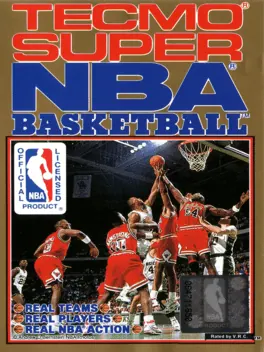
Tecmo Super NBA Basketball
Tecmo Super NBA features real teams (all 27 contemporary teams) and a roster of real players (over 320). One or two players can compete in regular, reduced, or short seasons, or play an exhibition game. Though primarily horizontal scrolling, digitized speech and cinemas, along with a free throw point of view, add drama to the proceedings. Besides the expected elements of basketball (substitutions, penalties, steals and blocks, time-outs, overtime), Super NBA gives you the chance to call offensive plays and to program win/loss records. Has a battery to back-up season play.
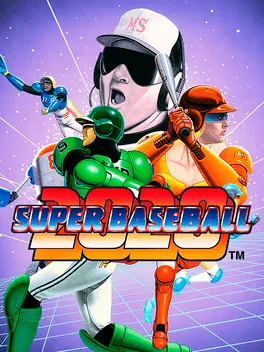
Super Baseball 2020
Different from real baseball and other baseball video games, this game consists of both male and female characters, as well as robots. All three types of players have the same basic abilities and vary only on their personal strengths. In many cases, human players are better than their robot counterparts. One major difference between the human and robot characters is that the robot characters can blow up (or lose all their power) if they are worked too hard during a game. That can happen if you constantly make them dive for a ball, run extra bases, or even if they get hit by a pitch. Under no stress whatsoever, some robots, especially pitchers, will naturally run out of power as the game progresses. When this happens, they will lose all their abilities and be useless, both offensively and defensively. When that occurs, you can either power them up or replace them with another person on the roster. Human players do not blow up, but human pitchers can tire out. When they are tired, they will pant heavily and throw the ball very slowly. This can be remedied by either an upgrade or, as in real baseball, switching to a relief pitcher.
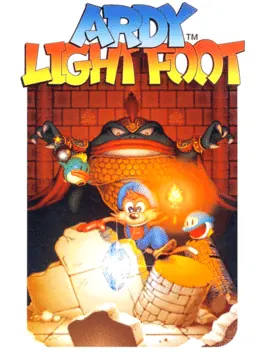
Ardy Lightfoot
The story of the game is that the sacred rainbow has shattered into seven pieces and it's up to Ardy to obtain them all again. Whoever collects all seven pieces will receive one wish. An evil king named Visconti has already gotten one piece and is searching for the others. To this end he sends out various creatures and henchmen such as Beecroft, Catry and others. These creatures form the opponents for Ardy during the game. Ardy is assisted by friends along the way like the elder (unknown name), Nina, and a mysterious adventurer named Don Jacoby.
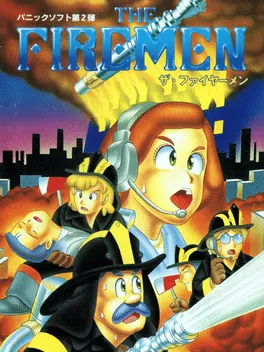
The Firemen
The fire is alive - and it's racing straight towards you! A fire has broken out in a high-tech chemical factory, where a highly explosive chemical, MDL, is being developed. It's up to you and your fire-fighting team to save the people trapped in the building, and stop the fire from reaching the MDL. Because if it does, the whole building is going to blow... -An action shooting game with a gripping storyline and 2D overhead perspective. -Evade sudden hazards and save survivors. -Multi-level action - crawl along the ground to advance, and hose the fire from both high and low levels.
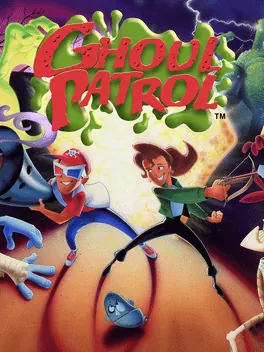
Ghoul Patrol
In the sequel to Zombies Ate My Neighbors you as the kids - Zeke or/and Julie - have to save the world from demon the lord of skeletons, ghouls, ghosts and etc. Shooting them by super-new weapons like Plasma Gun or Lobbing Smash Gun, you need to rescue ten trapped victims on each level and fight the boss at the end. But also you have to remember that ammo is limited.
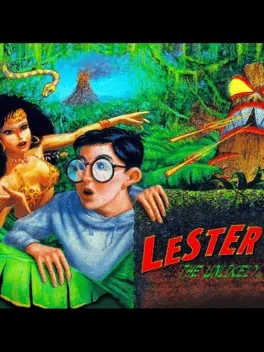
Lester the Unlikely
One day Lester was walking through Seaport City's loading docks reading the new issue of his favorite comic, "Super Duper Hero Squad." Feeling a little tired from playing video games late the night before, he looked around for a comfortable place to finish his comic. Just before reaching the beach Lester passed out from sheer exhaustion. Now, his real adventure begins... It is up to you to help Lester get back home.

Rival Turf!
Rival Turf is a cyber-punk comic-book style beat 'em up inspired by the likes of Streets of Rage and Final Fight.

PGA Tour Golf
This first game in the series was originally released in 1990 for DOS computers, 1991 for Sega Genesis, Macintosh, SNES, and Commodore Amiga, and 1993 for Sega Master System and Game Gear. It was developed and published by Electronic Arts for DOS and Macintosh, ported to Genesis, SNES, and Game Gear by Sterling Silver Software, to Amiga by Bluesky Innovations, and to Master System by Polygon Games. The Genesis/Mega Drive version features 6 professional golfers as playable or as CPU opponents; Fred Couples, Mark McCumber, Larry Mize, Joey Sindelar, Craig Stadler, Bruce Lietzke.
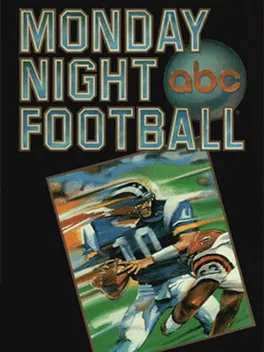
ABC Monday Night Football
ABC Sports and Data East team up to take you to the gridiron! Strap on your helmet, put that black stuff under your eyes and prepare yourself for football, Frank Gifford style! Features AFB voice synthesis technology.
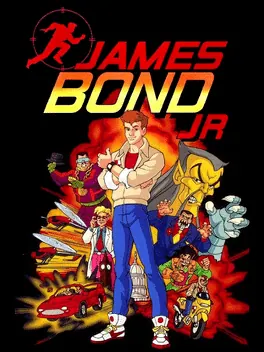
James Bond Jr.
This adaptation of the animated TV series differs significantly from its NES namesake. The nephew of Agent 007 must foil the plans of malevolent S.C.U.M. agents, who are hunting for rare artifacts that would allow them to dominate the world. Unlike the NES game, this version is a more action-oriented side-scrolling game without detailed mission objectives or puzzle-solving. The game consists of three levels, each beginning with a section in which Bond pilots a helicopter, a boat, and a jet, respectively. These are controlled in arcade-like fashion, similarly to side-scrolling shooters. Enemies must be dealt with using weapons mounted on the craft. Various hazards are scattered through the stages, requiring the player to react quickly in order to stay alive.
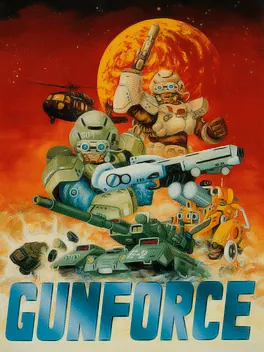
Gunforce
GunForce: Battle Fire Engulfed Terror Island or simply titled as GunForce, is a side-scrolling action shooting game produced by Irem for the arcades in 1991. The game was later ported by Bits Studios and published by Irem to the Super Famicom exclusively in Japan in 1992. Outside of Japan, it later received a sequel titled GunForce II, originally known in Japan as Geo Storm. The player is armed with a gun that fires rapid-fire bullets. Each direction it shoots can be fixed toward it so the player doesn't have to hold the joystick toward it. Players may find motorcycles to speed across enemy territory faster in addition to helicopters and cable cars. After scoring over any high score, whether they win or lose, players can enter their name into the high score list after the game over screen is "achieved". A strict time limit keeps the game going at a steady pace throughout; the consequence involves losing a life.
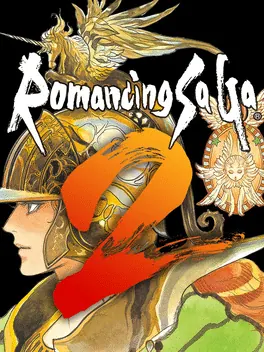
Romancing SaGa 2
The Emperor or Empress of Avalon begins the game as King Leon and later plays as his various heirs down through the game years. Leon hands his kingdom over to his son, Gellard. At the end of Gellard's reign, the player is able to choose his or her own successor and pass on Gellard's abilities to them. At the end of each generation, he or she will be given a choice of four heirs. Their identity is based on a combination of chance and anyone whom the player has assisted or allied within in a past generation.
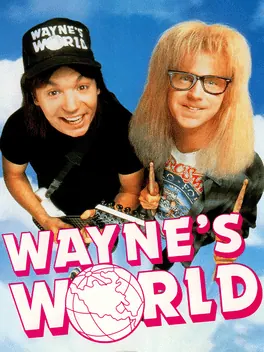
Wayne's World
"Wayne's World, Wayne's World! Party time! Excellent! Woo, woo, woo!" It's Friday, it's 10:30 and like usual, Wayne and Garth are presenting their TV show. First they start off by reading a top-10 list of the worst games they recently played at the arcade. Then Wayne accounts on how he and Garth were suddenly sucked into a video game, and Garth was kidnapped by the mysterious Zantar. "Weeuuu, weeuuu, weeuuu!" FLASHBACK, and now you're suddenly in control of Wayne as he must embark upon a quest to save his good pal Garth. Not to be confused with the DOS license, this Wayne's World is a platform- style game. You must jump, fight and rock your way through 4 different levels which include Kramer's Music Store, Stan Mikita's Donut Store, Gas Works and Surburbia. Using Wayne's guitar as your sonic weapon, it's most excellent noise will bring death to various enemies. Will you save Garth from the evil purple clutches of Zantar? SCHWING!

Phalanx
A futuristic shooter, Phalanx is the name of the prototype starfighter flown by Wink Baufield, a genetically enhanced pilot. It is sent to protect and reclaim Delia IV, a planet in the Andromeda galaxy, which has been colonized by humans for interstellar research purposes. However, an unknown and powerful alien force has overtaken the planet, the military defenses have been completely overwhelmed, and all hope rests on the Phalanx. You fly through eight levels, first through various locations in Delia IV, and then you invade the aliens themselves. Like most shooters, you can upgrade your weapons by picking up bonus items dropped by enemy craft.
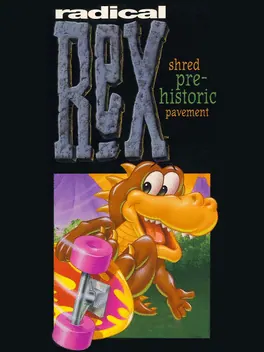
Radical Rex
Slam through ten wild levels of jammin' jungles, freaked-out forests, haunted dino-graveyards, piranha-infested underwater caverns - and inside a giant dinosaur.
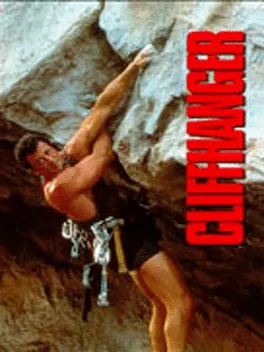
Cliffhanger
Standard side-scrolling fighter based off of the Stallone film of the same name. Sly must fight thugs and the elements as he tracks down suitcases of stolen cash dropped around the peaks of the Rockies. Combat follows the Final Fight standard, broken up by some mountain climbing and running (or 3-D snowboarding on the Sega CD) from avalanches. Enemies are the standard brawler crooks, occasionally carrying guns and knives the player can pick up. The game tends to follow a pattern of having you deal with a natural hazard (scaling a cliff, leaping over gaps), then locking the screen down for a fighting segment, nature again, fighting again, etc. The available fighting moves is limited, compared to other games of this type, and the ability to hit an enemy character is noticeably less accurate. The plot is identical to the film, with levels based off of, or inspired by, scenes in the movie. Animated cutscenes move the story along on the cartridge systems, while brief clips from the film play between levels on the Sega CD.
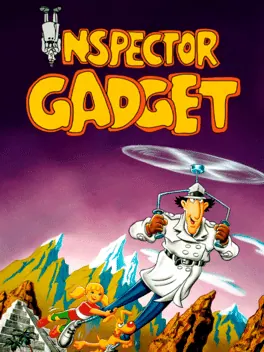
Inspector Gadget
Inspector Gadget is on yet another mission against the evil Doctor Claw and his army of M.A.D. (Mean And Dirty) agents. This time it's personal because Doctor Claw has captured Gadget's niece, Penny. With the help of his trusty dog, Brain, and his suit full of special gadgets, Inspector Gadget must save Penny and defeat Doctor Claw and his minions!
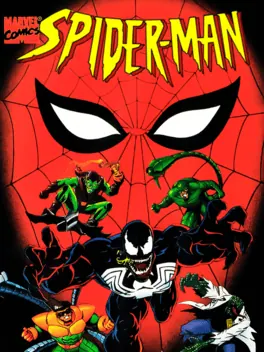
Spider-Man
Spider-Man's past comes back to haunt him when more maniacal madmen than you can count on two webbed hands bust out of prison and team up to settle the score against him! Only your Spider-Sense, wall-climbing ability, web-swinging maneuvers and a little help from the Fantastic Four can even the odds! The hunt is on... but who's the prey?
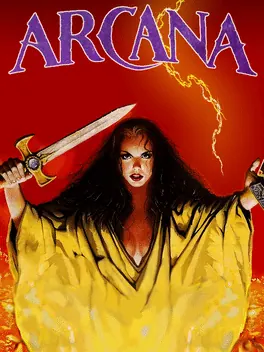
Arcana
In this game you play as a young boy named Rooks. He's the only one that can save the world from the evil Galneon. With the power of the cards he begins his adventure. All of the people you fight with and against are displayed on cards. They can have an elemental attribute or not. Rooks is able to summon an elemental to aid him. He can only summon one type at a time, and he must find them before being able to summon them.
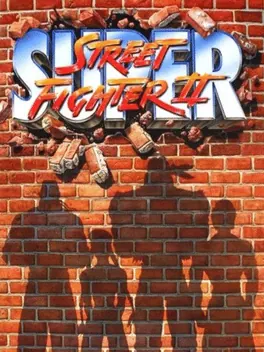
Super Street Fighter II
The 16-bit conversion of Super Street Fighter II, while featuring graphical and sound concession compared to the arcade version, features game-play largely the same as the original, including the new game-play modes, and selectable game speed brought over from Turbo.
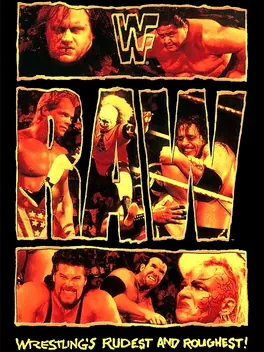
WWF Raw
Raw slams your senses with 24 megs of the most ruthless mat mayhem ever! The hottest superstars, all new superhumans megamoves and more in-and-out-of-the-ring action stand between you and the championship belt. This Raw...and RAW IS WAR!
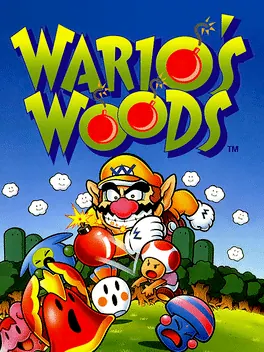
Wario's Woods
Wario's Woods is a puzzle game similar to Tetris or Columns, but with a twist. Instead of directly controlling the monsters and bombs that are falling down, the player controls Toad who has to carry around stacks of monsters and bombs and to combine them in the right way. One bomb plus at least two monsters of the same color have to be combined to make them disappear. If five or more objects are cleared at the same time, a diamond will appear. Destroying the diamond will clear all monsters of the diamond's color.
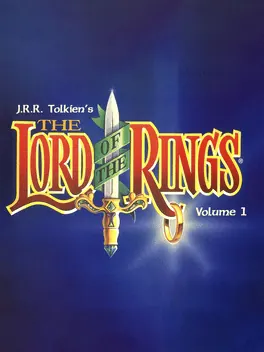
J.R.R. Tolkien's Lord of the Rings: Volume 1
An action role-playing game produced by Interplay Productions for the Super Nintendo Entertainment System. It is an adaptation of The Fellowship of the Ring by J. R. R. Tolkien.
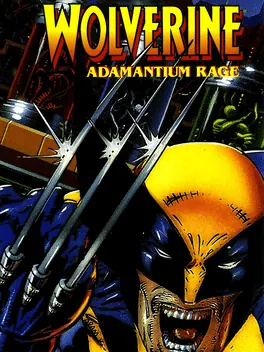
Wolverine: Adamantium Rage
Released in 1994 for both the Super NES and the Sega Genesis, "Wolverine: Adamantium Rage" is a platform-action video game. Teeny Weeny Games developed the Genesis version, while the Super NES version was created by Bits Studios. Despite being developed independently, the two versions share a common opening storyline and gameplay, though they differ in certain key aspects. Notably, it is one of the pioneering video games to incorporate a recharging health system.
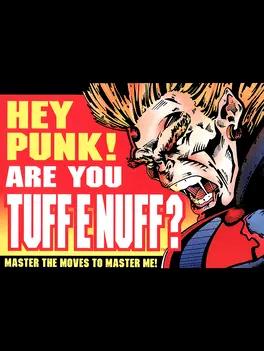
Tuff E Nuff
Following a great war that destroys most of the earth, Tuff E Nuff sees four of the earth's toughest people come together to do battle, and earn the right to attempt to depose the mighty ruler. Gameplay is standard beat 'em up style action, featuring most of the conventions of the genre. The characters have a range of kicks, punches and throws, and each fight at their own base. The 90-second time limit can be turned on or off. Fights are best-of-three, with points awarded for each hit, and for overall victory.
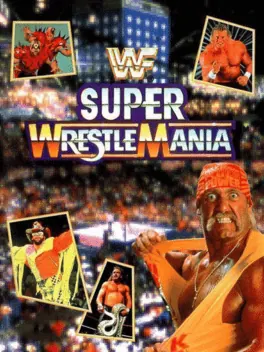
WWF: Super Wrestlemania
Charge down to ringside in WWF Super WrestleMania!!! Never before have the WWF superstars like Hulk Hogan, Sid Justice, The Undertaker and Jake "Snake" Roberts looked so real! They're bigger, mightier and tougher than ever before! You're in command of powerslams that rock the arena, clotheslines that clobber, and atomic suplexes that flatten your foe into submission!

SimEarth: The Living Planet
The most ambitious and far-reaching of Maxis’ Sim lineage, Sim Earth puts you in charge of an entire planet throughout its 10 billion year lifespan. Your ultimate task is to guide the planet’s inhabitants into the stars, from its humble single-celled roots. The main threats you face include pollution, disease, famine, war and global warming. The controls available to you include the chance to move mountains and continents, creating different levels of species, and unleash tidal waves and earthquakes so as to reshape your planet. All of these things take from your limited energy, which must be replenished.
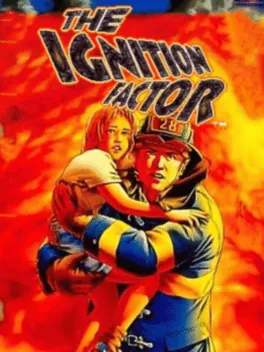
The Ignition Factor
The Ignition Factor is a 2D adventure where the player controls a firefighter through emergency situations in differing locations. Each level consists of multiple rooms, areas, or building floors where players can possibly explore, extinguish fires, and rescue people. Most levels dictate a specific number of people that must be saved within a set time limit for the mission to be considered a success. Fire spreads throughout an area automatically, and the player can be injured when touching a patch of fire on screen. The player can also be harmed by falling through holes in the floor.
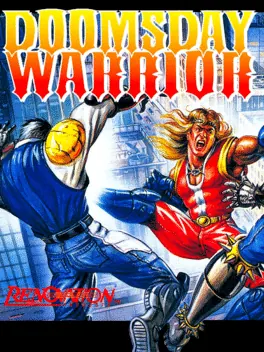
Doomsday Warrior
The Doom Squad is a group of fighters under the control of an evil wizard. They threaten earth and bring destruction. One of the Doom Squad members betrays his group and becomes the Doomsday Warrior. This warrior must then defeat the other members of the Squad and finally the wizard controlling it all. Doomsday Warrior is a fighting game. Choosing one of the Doom Squad members to become to the Doomsday warriors, you must defeat your opponents. Each character has the ability to punch, kick, jump and unleash a special move (usually by being close to the enemy and using either jump, kick or punch). The better the skill in fighting, the more ability points are earned. These ability points can be used to improve various areas of the fighter after battle.
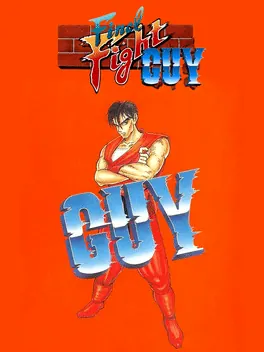
Final Fight Guy
Mayor Mike Haggar vows to snatch the streets of Metro City back from the crooks with his bare knuckles! But the Mad Gear Gang snatches his daughter Jessica. Now there's gonna be some bone-crunching dues to pay! The urban ninja Guy hits the streets hard with Haggar, denting heads downtown and slugging it out in the slums. He's a one man army! His weapons are anything he can find -- swords, knives, or pipes. Now you're Haggar or Guy, each with his own fighting style. Demolish gangland henchmen, samurai swordsmen and musclebound crime bosses in a fist-to-nose frenzy!
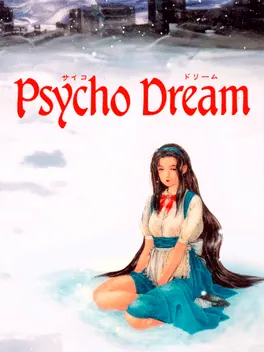
Psycho Dream
Psycho Dream is a side-scrolling action platform game developed by Riot, a division of Telenet Japan, for the Super Famicom. Set in a virtual-reality medium called D-Movie, the story follows two agents, Ryō Shijima and Maria Tobari, who enter a dream world to rescue a girl trapped there. Players can choose between Ryō, who fights with a sword, and Maria, who uses ranged and transformation-based attacks. The game is structured around short action stages with enemies, hazards, and boss encounters, combining science fiction and horror imagery. It was released in Japan in 1992, while a planned North American release under the title Dream Probe was not completed.
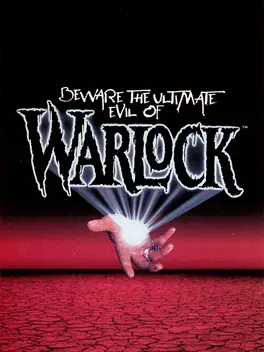
Warlock
When the sun aligns with the moon once every millennium, druid guardians summon their magic of their runestones to prevent the rebirth of the Warlock. The runestones are scattered through time and across the continents and you must find them before the Warlock does. The gameplay is simple. You go through different stages fighting of creatures and then finding the runestones. You fight off enemies by simply blasting them with this energy, using this orb you have with you, or you can use a spell to kill them. There are some puzzles in the game too. Some of the battles with the tougher enemies require some strategy to defeat them.
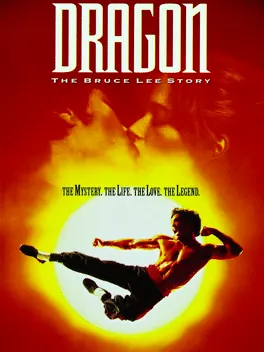
Dragon: The Bruce Lee Story
Dragon: The Bruce Lee Story is a multiplatform fighting video game based on the film Dragon: The Bruce Lee Story, which is a semi-fictionalized account of the life of Bruce Lee.