
Jogos para Wii
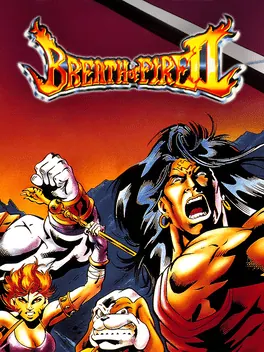
Breath of Fire II
The incredible sequel to the best-selling RPG hit Breath of Fire is here! You are the last member of the Dragon clan, fighting to rid the world of a growing evil. A cast of unusual and exciting companions joins you in your adventures across a wondrous land full of magic and mystery. You'll find strange mystic items, memorable monsters and exotic locations in your quest to conquer evil. There's strategy and spellcasting galore in the hours of compelling action and adventure that awaits you. Breath of Fire II is the ultimate in RPG excitement!
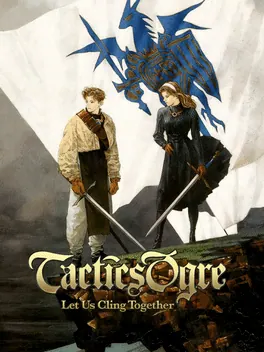
Tactics Ogre: Let Us Cling Together
Tactics Ogre is a 3D isometric tactical role-playing game. The player starts out with a band of troops, builds a small army and fights many battles with choices to make in between, that will determine which one of the eight possible endings will be reached in a non-linear storyline. The player has the option to recruit characters, control individual equipment of each character, with over six male character classes, six female character classes, three demi-human classes, and more. It is also possible to train at safe locations to prepare the army before the next battle or storyline advancement.
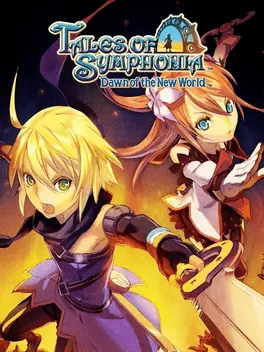
Tales of Symphonia: Dawn of the New World
Set two years after the events of the award-winning Tales of Symphonia for the Nintendo GameCube, Dawn of the New World follows the journey of two new young heroes, Emil Castagnier and Marta Lualdi, as they seek to uncover the mystery of why their world has fallen into ruin. In their quest, their paths will cross with the original cast of Tales of Symphonia including Lloyd and Colette, as well as a summon spirit known as Ratatosk who claims to be the lord of all monsters. Advancing the combination of story, characters and real-time battles of Tales of Symphonia, Dawn of the New World introduces a new monster recruitment feature in which players can capture more than 200 unique enemies and train them to actively participate in battle. Players can then feed these monsters to make them more effective, and even evolve them into several new fearsome forms. The game also features an updated real-time battle system that lets players move freely in all directions around the battlefield, execute powerful unison attacks and take advantage of a new elemental alignment system for even more strategic depth. Dawn of the New World gives players complete control over a full roster of Tales of Symphonia characters and ally monsters, letting them customize their adventure party into hundreds of unique combinations.
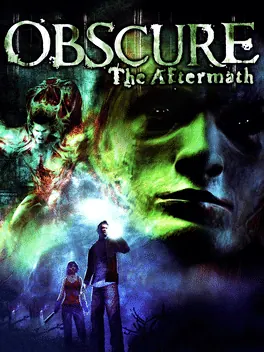
ObsCure: The Aftermath
Two years ago, a group of young teenagers found themselves trapped inside their school. They suffered through the longest night of their lives, chased by abominable creatures created by their principal. Some of them survived that terrible night, while others perished. Now, the survivors have picked up the pieces of their lives and gone to college. But all is not right at Fallcreek University: strange flowers suddenly appear everywhere on the campus, flowers that contain a dangerous substance that induces strange but vivid dreams. A handful of students learn that the flowers are far more dangerous than they seem. When the seeds finally sprout, nightmare suddenly turns into horrifying reality...
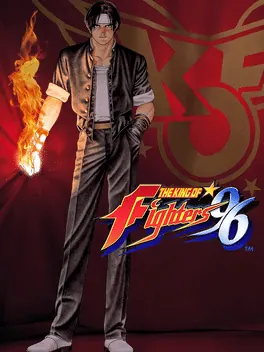
The King of Fighters '96
The King of Fighters '96 is a 1996 fighting game. It is the third game in The King of Fighters series, following The King of Fighters '95. SNK's flagship series returns for another year. Many of the changes in this year's KOF release come in the form of improved graphics, sound effects, music and totally redone character sprites. The gameplay of the system has been altered with the addition of "Rush" multi-hit combos and new moves for practically every character. The storyline of the series receives heavy focus in this release with the Orochi Saga swinging into high-gear. The King of Fighters '96 has 27 regular characters plus 2 boss characters (who can be unlocked with the use of a code). Newcomers to the tournament include Mr. Big from the Art of Fighting series, the bosses from Fatal Fury (Wolfgang Krauser and Geese Howard), and completely original characters like Leona Heidern, Mature and Vice. Other features carried over from the previous year include the ability to choose between the default "Team Fighting" mode or the traditional "Single Fighter" style of gameplay, plus the "Versus" and "Survival" gameplay modes.
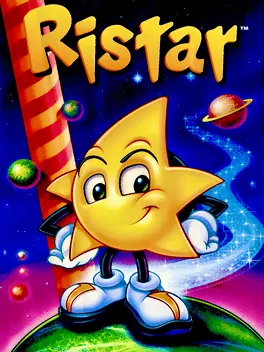
Ristar
Ristar is a platform game developed and published by Sega for the Sega Genesis in 1995. A Sega Game Gear game, of the same name and genre, Ristar, was also released, which shared similar themes while possessing different level design and gameplay mechanics. The game stars an anthropomorphic cartoon star who uses his hands and long, stretchable arms to both move and combat enemies. Reception for the game has been generally positive, but the game's initial release was overshadowed due to the imminent ending of the Genesis's lifecycle and the succession of the Sega Saturn and other fifth generation video game consoles. While never receiving any sequels, Sega has re-released the game a number of times digitally and on Sega-themed compilations, and has occasionally given Ristar himself cameos in other Sega properties.
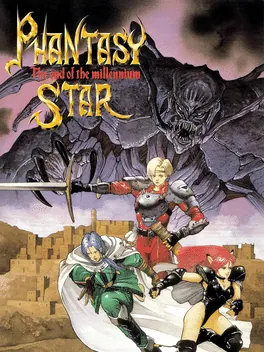
Phantasy Star IV: The End of the Millennium
You are Chaz Ashely, a rookie Hunter straight out of training who is supported by Alys Brangwin – a crafty veteran whose good looks and prowess with the blade have earned her an awesome reputation. The two Hunters along with a cast of supporting characters will go beyond Motavia to unwittingly save their entire solar system.
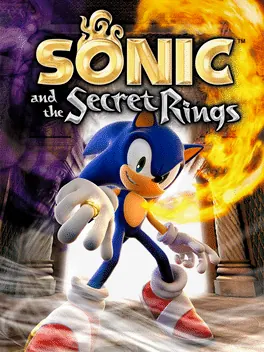
Sonic and the Secret Rings
Sonic and the Secret Rings is a three-dimensional platform and action game featuring an on-rails style of movement. Sonic the Hedgehog, the series' main character, is the game's only player character. He is controlled exclusively with the Wii Remote, which is held horizontally like a traditional gamepad.
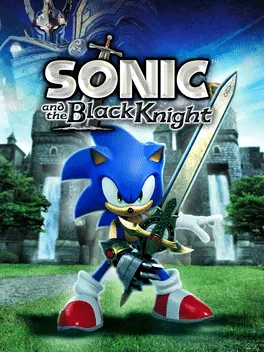
Sonic and the Black Knight
A wizard named Merlina, granddaughter of the original Merlin, summons Sonic to help free the mystical realm of King Arthur, who has been possessed by an unknown evil that comes from Excalibur's scabbard, and is now ruling the realm as the tyrannical Black Knight. Sonic's speed alone will not end The Black Knight's reign, so he must take up the talking sword, Caliburn, in order to break Arthur's curse and save the kingdom. Sonic must also collect the blades of King Arthur's Knights of the Round Table and Excalibur itself if he is to restore King Arthur's sanity and return him to a benevolent ruler.
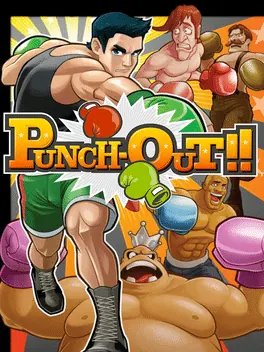
Punch-Out!!
Get ready for some head-to-head punching action! Little Mac is back and ready to step into the ring once more! Our favorite underdog from the 1980s joins the best of the original Punch-Out!! fighters, including Glass Joe, King Hippo, Von Kaiser, and more. These boxers come to life in cel-shaded 2-D, complete with hilarious fighting animations and backstories that capture all the fun and flair of the original Punch-Out!! games. Hook, jab, swing, then flawlessly execute a Star Punch to take down your opponent. Train with Doc to prepare for the next match, then get back into the ring to face your next challenger. Some defeated opponents may return for a rematch, but come out victorious and you'll be one step closer to winning the Championship Belt!
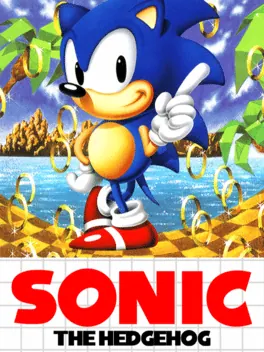
Sonic the Hedgehog
This is a completely different game than its 16-bit counterpart on the Genesis/Mega Drive, and was originally released on the Sega Game Gear and Master System. To stop the evil Dr. Robotnik, Sonic must traverse six zones consisting of three levels each. Most of the zones are based on those in the original game, but some are entirely new, including a jungle environment and a huge airship. Other unique differences are one level that scrolls automatically and one that is aligned vertically instead of horizontally. Most of the enemies (mechanized animals, defeated by Sonic's spikes when jumping or rolling) and power-ups (speed-ups, shields, extra lives) are the same as in the Genesis version as well. Sonic can pick up golden rings for protection (when hit, he simply loses all of his rings instead of a life) and bonuses: 100 rings gain Sonic an extra life, and 50 remaining rings at the end of a level allow access to pinball-themed special stages full of bumpers and springs. The final level of a zone is always a boss fight against Robotnik. Some of the boss fights differ in the Master System and Game Gear versions of the game, with special designs for the handheld version due to the smaller visible screen area. Sonic should also collect the six Chaos Emeralds to keep them from falling into Robotnik's hands. In a departure from the original game, these are not hidden in the special stages but somewhere in the regular levels.
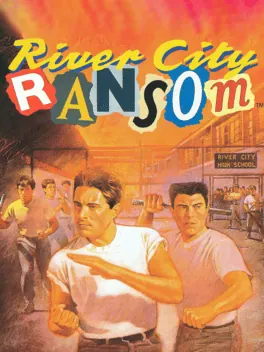
River City Ransom
Play as Alex and Ryan and cross River City to fight street gangs and save your girlfriend from the hands of a bad guy named "Slick." Improve your fighting experience by powering-up your characters in River City's shops, picking-up items for bonuses and using the trash bins and pipes you will find in its streets.
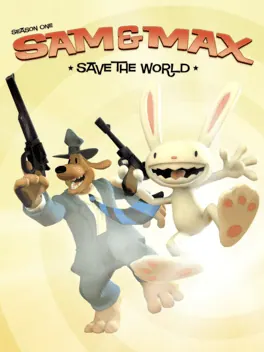
Sam & Max: Save the World
The characters can travel between a variety of locations in the game using their black and white 1960 DeSoto Adventurer, which, when selected, will present the player with a list of available destinations. The DeSoto is also used for several driving sequences, usually involving pursuing or fleeing criminals in other vehicles. In these driving sequences, the player can use Sam's gun, the car's horn, or have Max attempt to communicate with other vehicles via a megaphone. In addition, special inventory items may be used to complete specific puzzles within these sequences. Driving sequences are also used for several minigames, such as pulling innocent drivers over for fabricated felonies. In keeping with the developer's heritage from the LucasArts adventure games, Sam & Max Save the World is designed so that the player characters cannot die or reach a complete dead-end.
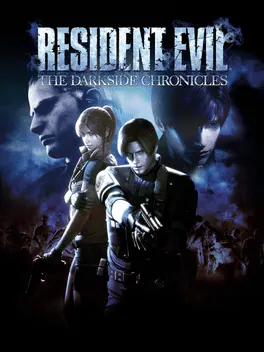
Resident Evil: The Darkside Chronicles
Resident Evil: The Darkside Chronicles is an on-rails shooting game and the second title exclusive to the Wii platform in the Resident Evil series. The player do not control the character's movement but only the shooting aspect, shown from a first-person perspective. The player's partner is also shown on the screen and there is an cooperative option for two players.
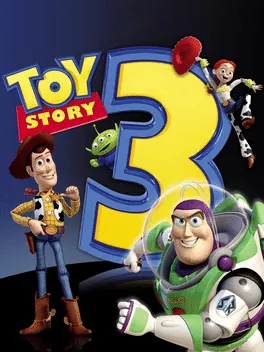
Toy Story 3: The Video Game
In Toy Story 3: The Video Game help Buzz, Woody and the rest of the Toys ensure no toy gets left behind. Dive into all new heroic adventures in Story Mode or let your imagination run wild in the exiting new open world of Toy Box Mode! Come and play to infinity... and beyond!
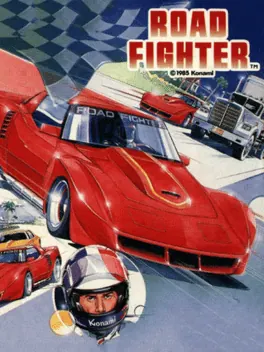
Road Fighter
Road Fighter is a car-based arcade game developed by Konami and released in 1984. It also was the first car racing game from Konami. The goal is to reach the finish line within the stages without running out of time, hitting other cars or running out of fuel (fuel is refilled by hitting a special type of car). The game also spawned two sequels in its time, Midnight Run: Road Fighter 2 in 1995 and Winding Heat in 1996, respectively. A Japan-only rebooted sequel was also released in 2010, 14 years after Winding Heat.
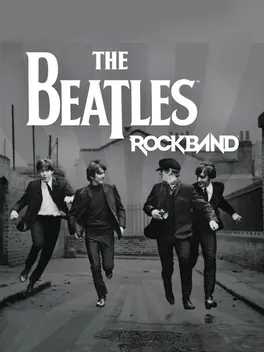
The Beatles: Rock Band
The Beatles: Rock Band is a 2009 music video game. It is the third major console release in the Rock Band music video game series, in which players can simulate the playing of rock music by using controllers shaped like musical instruments. The Beatles: Rock Band is the first band-centric game in the series, and it is centered on the popular English rock group the Beatles. The game features virtual portrayals of the four band members performing the songs throughout the band's history, including depictions of some of their famous live performances, as well as a number of "dreamscape" sequences for songs from the Abbey Road Studios recording sessions during the group's studio years.
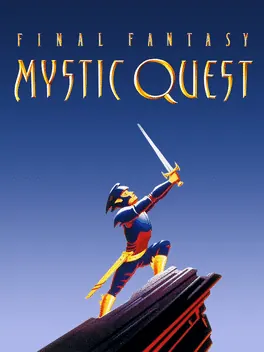
Final Fantasy: Mystic Quest
Focus Tower is the center of the world and balances the forces of the world. However 4 monsters have taken the 4 elemental crystals (Earth, Water, Fire, Wind) for their own use, and also taken the 4 keys that for doors inside of Focus Tower. With the balance disrupted, disasters befall the world. A young boy by the name of Benjamin finds his home village destroyed. Meeting a mysterious old man while trying to escape from earthquakes, he soon learns that he is the prophesized hero and the only one who can save the world. Benjamin must recover the 4 crystals, unlock Focus Tower and defeat the ultimate monster before the 5th crystal, the Crystal of Life is corrupted.
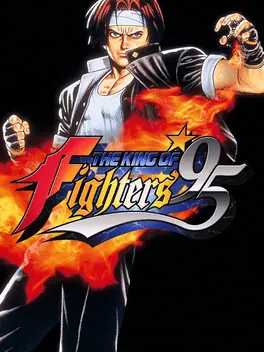
The King of Fighters '95
The King of Fighters '95 is a 1995 fighting game produced by SNK for the Neo Geo arcade and home console. It is the sequel to The King of Fighters '94 and the second game in The King of Fighters series. It is also the first game in the series to be ported to other home consoles besides the Neo Geo AES and Neo-Geo CD, with versions released for the PlayStation, Sega Saturn and Game Boy. It was also rereleased in The King of Fighters Collection: The Orochi Saga in 2008 for the PlayStation 2, PlayStation Portable and Wii. The King of Fighters '95 introduces Kyo Kusanagi's rival Iori Yagami, and firmly places Kyo as the main character for the rest of the series. The gameplay of The King of Fighters '95 is essentially unchanged from the previous title, though it does introduce the "team edit" concept which would remain as a standard feature of the series. Using the "team edit" feature, it is possible to create a totally customized team using any of the available fighters, or use one of the default teams if you wish.
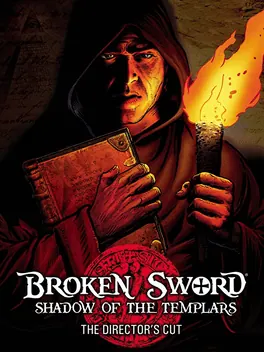
Broken Sword: Shadow of the Templars - The Director's Cut
Broken Sword: Shadow of the Templars – The Director's Cut is an enhanced remake and director's cut of the classic 1996 point-and-click adventure game Broken Sword: The Shadow of the Templars. Unlike in the original game, where George Stobbart is the only playable character, Nicole Collard is controllable for selected game sections. While certain puzzles from the original segments were simplified, new first-person puzzles were also added. Hotspots are highlighted, and a hint system is added, along with a diary in which the player character takes notes. Some of the original game's dialogue and cutscenes were removed, with the blood edited out of retained cutscenes.
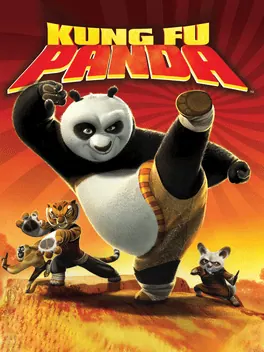
Kung Fu Panda
In the Kung Fu Panda video game, players embark on an epic, action-packed adventure as they master the specialized Kung Fu fighting styles of Po the Panda, the unlikely hero, his teacher Shifu, and the legendary Kung Fu masters, the Furious Five: Monkey, Tigress, Viper, Mantis and Crane. Through 13 legendary levels from the movie and beyond, and spanning land, water and air, players must work their way to become the Dragon Warrior and defeat the ultimate enemy, Tai Lung, as they battle a variety of foes, overcome dangerous obstacles, navigate multi-tiered environments and solve challenging puzzles. Featuring a deep variety of gameplay, unique co-op and competitive multiplayer modes, collectibles, and a host of character upgrades, the Kung Fu Panda video game provides an experience gamers of all ages will enjoy.
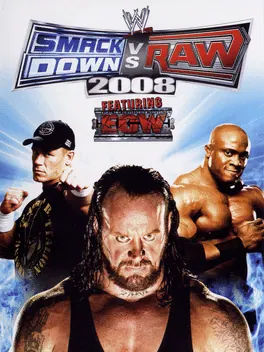
WWE SmackDown vs. Raw 2008
The 2008 edition in the Smackdown vs. Raw series holds new features to the WWE game franchise. This is the first in the series to include the extremists of ECW, including The Sandman, Marcus Cor Von and CM Punk. The game also features a new struggle submission system, new weapon choices including guitars, and eight superstar fighting styles, including Showman, Powerhouse, High-Flyer and more. Each player can now choose a primary and a secondary fighting style. It continues the legend trend and new arenas, such as Wrestlemania 23, Unforgiven and Summerslam as well as the classic superstars like Undertaker, Shawn Michaels and Ric Flair. The roster largely depends on the platform, and some versions include wrestlers not available in the other ones.
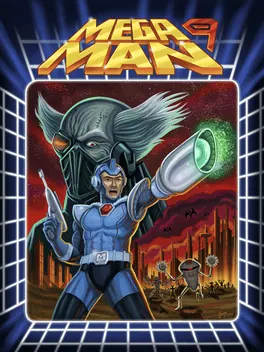
Mega Man 9
Mega Man 9 brings the series back to its old school roots with retro gameplay, music and classic 8-bit style graphics! Mega Man fans, your wait is over! The classic Blue Bomber that debuted in 1987 is back with the ninth installment in the classic series. It's a new adventure for Mega Man all done in an 8-bit style -- graphics, music, and gameplay are all like you remember them!
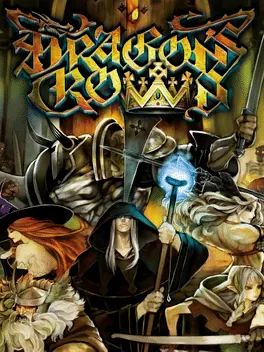
Dragon's Crown
Dragon's Crown is a multiplayer hack-and-slash beat'em up game with breathtaking visual style, a design built around cooperative play, epic boss fights, and the ability to discover a new adventure in every play session. Developer Vanillaware deftly marries stunning hand-drawn and animated art work with deep, action-packed hardcore gameplay. Dragon's Crown allows up to four players to team up locally or online to clear out monster-ridden dungeons, discover precious treasure, and destroy awe-inspiring bosses. Its unique, highly replayable design means that every time players can boot up and log on, they can expect a different experience. Unparalleled in their unique style, Vanillaware painstakingly hand-paints every detail, be it a blade of grass or the scales on the game's impressive dragons. The game becomes a lush, vibrant storybook come to life when everything starts to animate in gorgeous full HD.
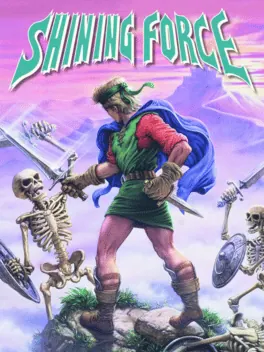
Shining Force
Shining Force is a turn-based tactical RPG. Battles take place in square grids, and each unit occupies 1 square. Units can belong to one of two sides: allies (controlled by the player) or enemies (controlled by the computer AI). Each unit can move up to a fixed amount of squares along the battlefield, determined by its Move statistic. Depending on its location relative to enemies and to allies, a unit also has the option to attack, cast a spell, use an item, search (if adjacent to a treasure chest), or stay and do nothing, all of which end the unit's turn. Some commands, such as equipping or dropping items, don't count as actions, and the character's turn is able to continue. The order of the turns is determined by the unit's agility score and a random seed. Units can use offensive actions, such as physical attacks or offensive magic, only on units belonging to the other side and can use supportive actions, such as healing magic, stat-enhancing magic, and items, only on units belonging to the same side.
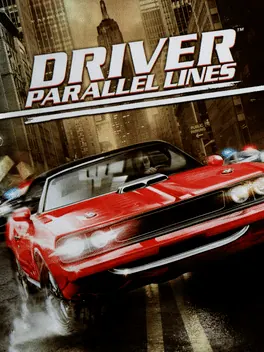
Driver: Parallel Lines
Diverging from previous Driver games, Parallel Lines takes place in just one city, New York, instead of multiple cities, but in the middle of the story you change to different eras of the city - 1978 and 2006. Due to the underwhelming performance of Driv3r, particularly the often-derided on-foot sections, Parallel Lines returns to the formula used in earlier games in the series, focusing on driving, although shooting remains in the game.

Sonic the Hedgehog 4: Episode I
The sequel fans have waited 16 years for is finally here - Sonic the Hedgehog 4 Episode I! Featuring enhanced gameplay elements, including the classic Sonic Spin Dash, and the versatile Homing Attack, Sonic the Hedgehog 4 Episode I picks up right where Sonic and Knuckles left off. Dr. Eggman’s back, and in an effort to finally rid himself of Sonic, he revisits – and improves – the very best of his creations. Get ready for the next chapter in an all new epic 2D saga built for old and new fans alike.
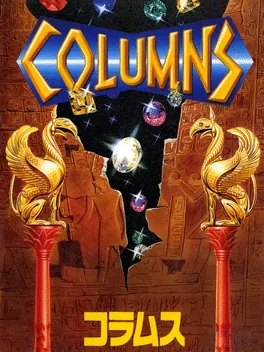
Columns
Go back in time to a bygone civilization: the ancient world of Phoenicia. There you will play a simple and captivating game where sparkling, rainbow-coloured jewels drop one after another. According to the ancient merchants, by arranging three or more of the same jewels horizontally, vertically or diagonally, you shall perform miracles.
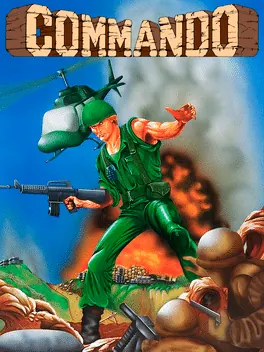
Commando
Several levels await your super-tough Commando in this arcade conversion. Armed with only a standard rifle and a few grenades you must take on hordes of enemies. Some are wandering around in the open, while others have picked out hiding places, which you must approach from certain angles. Trees, rivers and bridges create a varied combat-like terrain and must be incorporated into your thinking. Extra grenades can be collected, and will definitely be required, as they allow you to kill from distance and thus avoid some enemy shots.
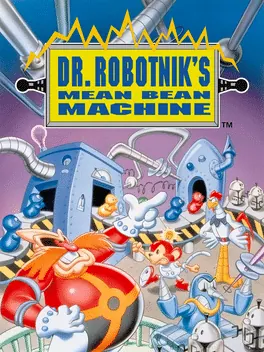
Dr. Robotnik's Mean Bean Machine
Dr. Robotnik is changing the jolly folk of Beanville into devious little robots that will help rid Planet Mobius of music and fun forever. Group the beans together to help them escape, and compete against Robotnik’s wily henchbots!
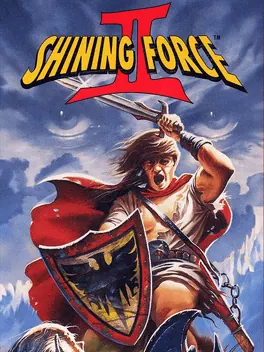
Shining Force II
As a student of Astral the wizard, you and your friends study all the usual subjects: reading, writing, and sword fighting. As your time at school draws to an end, dark events are taking place on the island of Grans. The two Jewels which seal the Door to Darkness have been stolen, allowing a creature of awesome power to be unleashed. Finding where the Jewels were taken, and why, is a task only the bravest of adventurers can undertake.
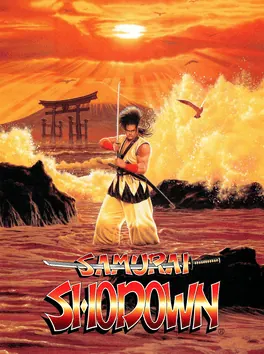
Samurai Shodown
In early Japan, a man named Shiro Tokisada Amakusa preaches a heretic religion. Little does anyone know that Amakusa is really a servant of the evil Ambrosia, who took over Amakusa's body. Ambrosia wishes to shroud the world in darkness. Now, choose between 12 warriors (and 3 bonus characters) to fight for the honor of destroying Amakusa, and fulfilling a mission.
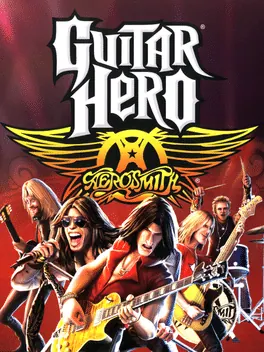
Guitar Hero: Aerosmith
Guitar Hero: Aerosmith puts the player in the shoes of "America's Greatest Rock and Roll Band" as they evolve from unknowns to rock superstars. In a guitar hero game dedicated to the band that is Aerosmith!
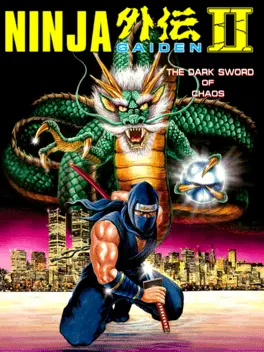
Ninja Gaiden II: The Dark Sword of Chaos
The Ninja Ryu is back to avenge the death of his father, and stop the Evil Ashtar. A year has passed since Ryu last faced his arch enemy, and still the activity down at the bottom of the realm of darkness continues. Ashtar, the evil lord who secretly controls Jaquio, is again on the move, and it is up to Ryu, the "Ninja Dragon" to put a stop to it. Use all of the secrets of the real Ninjitsu, along with the exciting audio and visual special effects and be drawn into the fantasy world of Ninja Gaiden II The Dark Sword Of Chaos.
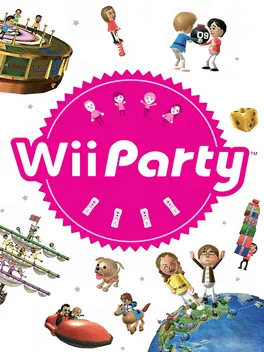
Wii Party
Wii Party features 13 different game modes divided amongst three categories: Party Games, House Party Games, and Pair Games. Most of the game modes integrate use of Wii Party's 80 mini-games. The game also offers additional modes that make exclusive use of the mini-games.
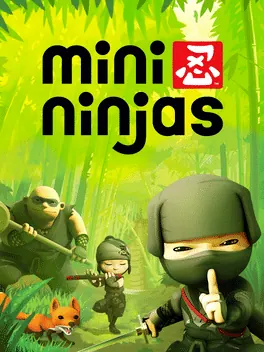
Mini Ninjas
Mini Ninjas is a game that combines furious action with stealth and exploration for an experience that appeals to a wide audience across age groups and preferences. It’s an action-adventure with a strong focus on allowing the player freedom to explore the world and has the depth to allow for very varied gameplay and approaches to getting through the game.