
Jogos para TurboGrafx-16/PC Engine
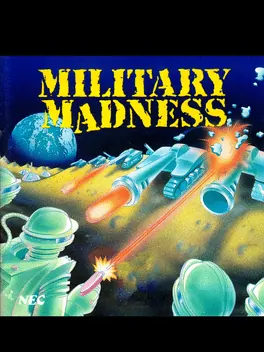
Military Madness
Military Madness (released as Nectaris in Japan) is a futuristic turn-based strategy war game. The year is 2089 and the setting is Earth’s moon, which yields many important resources. While the governments of Earth bicker over their staked claims on the moon, the evil Axis Empire launches a lunar military campaign and takes over the moon, using its factories to produce advanced weaponry, the most devastating of which is the SAM (Supreme Atomic Missile). As commander of the Allied forces, it is the player’s responsibility to lead what’s left of the Allied armies in a desperate offensive against the Axis Empire on the lunar surface before they can use the SAM to destroy Earth.
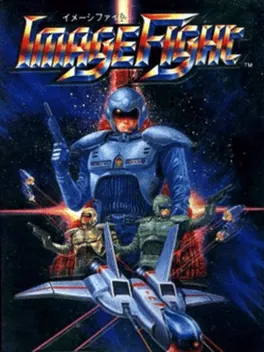
Image Fight
On a fateful day in 20XX, the Earth's moon exploded into four large fragments and a multitude of meteors. Aliens from afar had succeeded in destroying the West's moon base. One after another, mankind's other military industrial space complexes were being lost. What mankind dreaded had come to pass. Scores of unidentified fighters were in the area. In addition, the moon's main computer, still intact after the explosion, had a strange vegetation coiled around it. Their trademark evil exploits being a dead giveaway, invaders from the Boondoggle Galaxy had arrived to take over the Earth. To counter these evil forces, leading scientists from all over the globe created the "OF-1" Fightership. Combat pilots depart the Earth to fend off the invaders and earn everlasting glory.
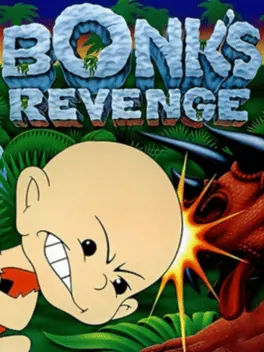
Bonk's Revenge
In Bonk's Revenge, King Drool hijacks half the moon in an attempt for world domination! Of course it's up to our favorite prehistoric hero to stop him, and so Bonk embarks on an all-new quest to save the world. Bonk’s second adventure leads him through 7 exotic levels, from sunny beaches to winter wonderlands, including 8 special bonus stages. Bonk’s new enemies include bad-attitude dinosaurs, vicious piranhas, oversized insects and many more treacherous foes. However, as always, Bonk comes packed with an arsenal of his very own dangerous moves. Staying true to his name, Bonk’s ultimate weapon is still his gigantic head! Bonk can pummel his enemies into submission with his signature headbutt or shake the very ground they walk on by pile-driving straight into the earth. A master of his terrain, Bonk can also climb various objects using his razor sharp teeth. Of course, what would Bonk be without his favorite caveman power-ups? That’s right, the roasted meat is back, but this time with an all new Bonk! By eating one small slab of meat, Bonk can now transform into Zombie Bonk, allowing him to petrify his enemies with a powerful pile driver or fireball. But by eating two small slabs or one large slab, Bonk will transform into Butthead Bonk, an all-powerful being who breathes fire, eradicating his enemies at will.
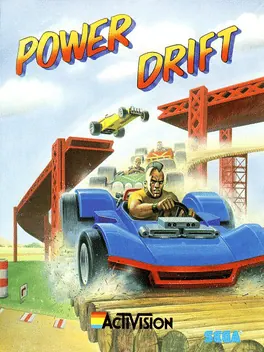
Power Drift
Power Drift is a kart racing game released in arcades by Sega in 1988. More technologically advanced than Sega's earlier 2.5D racing games, like Hang-On (1985) and Out Run (1986), in Power Drift the entire world and track consist of sprites. The upgraded hardware of the Sega Y Board allows individual sprites and the background to be rotated–even while being scaled–making the visuals more dynamic. Designed and directed by Yu Suzuki, the game was a critical and commercial success upon release in arcades. It was subsequently ported to various home computers in Europe by Activision in 1989, followed by a PC Engine port published in Japan by Asmik Ace in 1990. It was not released on Sega consoles until the Sega Ages release for the Sega Saturn in 1998.
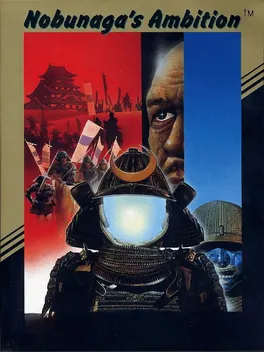
Nobunaga's Ambition
The second game in the series, previously released as Nobunaga's Ambition in the West. Players take on the role of one of the main characters of the period, Nobunaga Oda, Shingen Takeda, Kenshin Uesugi, or others and try to unite the 50 kingdoms of Japan, from Ezo in the north to Kyushu in the south, under their own rule.
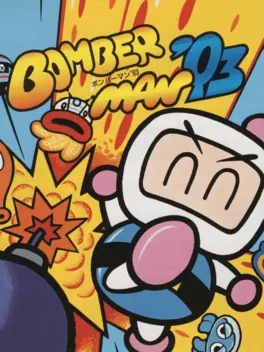
Bomberman '93
Tension, strategy, action, excitement - Bomberman's back! You can now battle against up to four computer-controlled maniacs by yourself for the ultimate five bomberman mode. Choose from seven exciting new stages with loads of new power-up items like werps, conveyer belts, revolving doors and even kicking bombs! Or for portable thrills, go head-to-head against a friend using TurboExpress for non-stop action. The best competitive game is back, and it's more intense than ever!
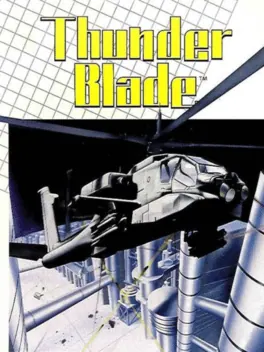
Thunder Blade
A helicopter shoot-'em-up developed by Sega. The Arcade version made use of Sega's 3D super scaler technology to create city environments where the buildings would appear to have depth. The subsequent home versions sadly lacked this feature.
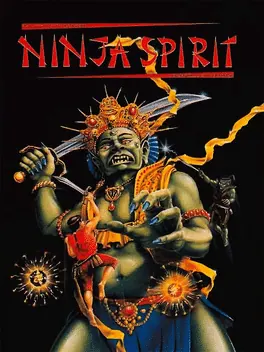
Ninja Spirit
There are a total of seven stages varying from woodlands, wastelands, swamps, temples and cliffs. Each stage begins with the player slashing his way to the end, until he confronts a level boss. The ninja is always armed with the sword Righteous Cloud which can be fluidly used to attack in all directions. Extra weapons include the Swirling Leaf (shurikens), the Bamboo Thunder (bombs), and the Rising Dragon (kusarigama). There are also several powerup items, such as one unleashing multiple ninja ghosts to assist the player.
The Ninja Warriors
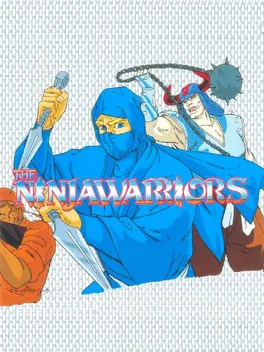
The Ninja Warriors presents side-scrolling hand-to-hand combat. Players take control of Kunoichi or Ninja and fight wave after wave of Banglar forces across five levels.
Alien Crush
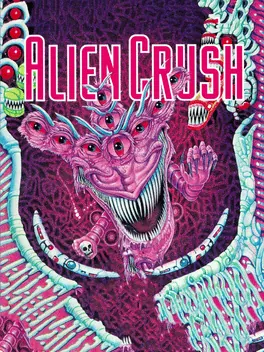
Fight against the aliens with your pinball skills! Imagine a living pinball machine...with aliens and outlandish worlds to throw at you. And turbo-charged, speed-of-light pinball action. You control the flippers and ball speed to defeat the Slime, the Tentacloid and Scorpion. Go for the eyes! This is full-tilt, out-of-this-world action! Surrealistic graphics plus true-to-life, earsplitting arcade pinball sound. Achieve the maximum possible score of 10 less than 1 billion and the game ends with the destruction of the table and a congratulatory message. The game is the first installment in the Crush Pinball series. It was followed by three sequels, Devil's Crush, Jaki Crush, and Alien Crush Returns.
Vigilante
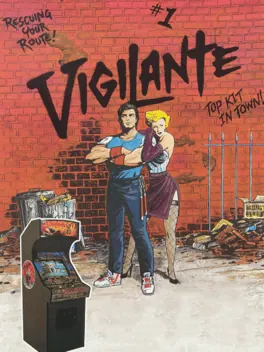
On the baddest streets of the city they know your name. You are lean and mean... the karate master they call the Vigilante! Your turf was left alone. Your friends and neighbors lived in peace. Until the Rogue gang got too big for their britches. You chilled, hoping things wouldn't get too rough. No such luck. They've taken your girlfriend Maria, and there's only one thing you can do... get her back... anyway you can! You have fists of steel! Legs like pistons! And courage that just won't quit! You will need all three because the Rogues are waiting with knives, guns and a whole bunch of nasty punks. And you'll have to fight fast. If the Rogues make it back to their headquarters before you rescue Maria, all hope will be lost. But catch them first and you'll fight the leader of the Rogues. Win Maria... and your turf... will remain safe. Feel any pressure? No way. You're the Vigilante!
Mega Bomberman
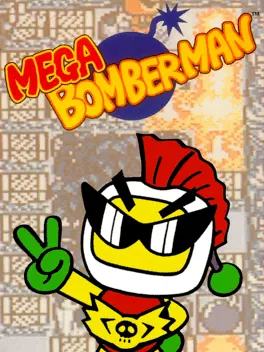
Mega Bomberman is a top-down action game. Control your Bomberman through various levels defeating multiple enemies and plenty of bosses. Each level consist of blocks for exploding and some blocks that don't explode. At times you will need the non-exploding blocks as shelter. The blocks that do explode reveal power-ups and eggs.
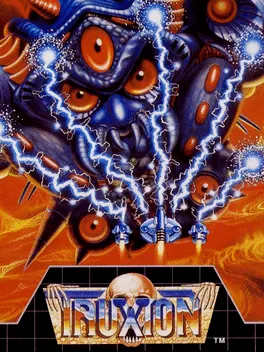
Truxton
Truxton is a 1988 vertically scrolling, shoot 'em up arcade game developed by Toaplan, later ported to the Mega Drive (worldwide) and the PC Engine (Japan-only). Like many other scrolling shooters, the game is set in outer space, where the player takes control of a small spaceship across several planets. The game is played with an eight-way joystick and two buttons (a shot and a bomb button) through five large levels and their bosses (which then loop forever, at higher difficulties).
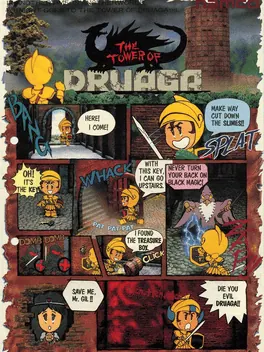
The Tower of Druaga
The story still's the same: Ishtar sends Gilgamesh up the 60 maze levels of the Druaga's tower to rescue Ki and retrieve the Blue Crystal Rod. He must find each level's key to proceed to the next one.

Shanghai
Shanghai is a computerized version of mahjong solitaire. After winning a game, the tiles reveal the three-dimensional blinking eye of a dragon behind the game screen. The Macintosh and Sega Master System version shows an animated dragon spitting fire.
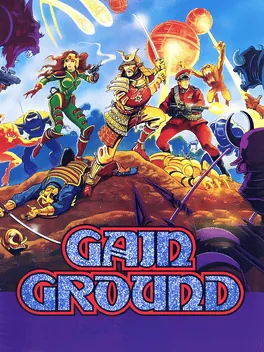
Gain Ground
In Gain Ground, players control one of a set of characters at a time. There are twenty characters, each with different weapons. To beat a level, players must reach the exit point with at least one character or destroy all enemies on the level before time runs out. Littered across the level are captive characters, which can be rescued by walking over, then escorting the controlled character to the exit point. If a player controlled character is killed, that character turns into a captive, except that they will disappear if the next active player controlled character dies, exits the level without them, or the player has no characters left in their party. The game is over when all controlled characters in the party are killed without any reaching the exit. However, there are three continues which allow a player to restart the level with their original three characters. There are 40 levels in the arcade version of the game. The Master System and the Genesis/Mega Drive have 50 levels in the game.

Jackie Chan's Action Kung Fu
Jackie and his sister, Josephine, are tough on tyrants. As China's supreme kung fu champs, they guard their country against the Prince of Sorcerers, who lurks just beyond the Great Wall. It comes as no surprise when this fiend and his ghouls try yet again to seize China for themselves. But this time they're clever, casting a spell over Josephine which causes her to vanish into thin air! Jackie is in shock! How can he save his country without his sister? The two have been an unbeatable team! Meanwhile, a demon horde led by the Sorcerer storms the Great Wall and prepares to establish a fierce empire. At the urging of his revered Master, Jackie must now battle the dreaded Sorcerer and rescue Josephine. Maybe he can learn a little magic on his own, because he's going to need all the help he can get!
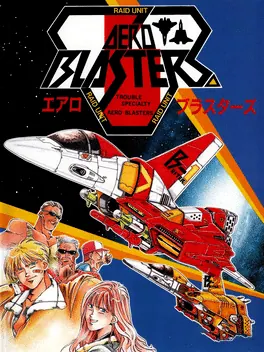
Air Buster
Air Buster has its roots in such scrolling shoots as R-Type, Gradius and Truxton. Its two-player simultaneous action is a relatively unique twist on the genre.
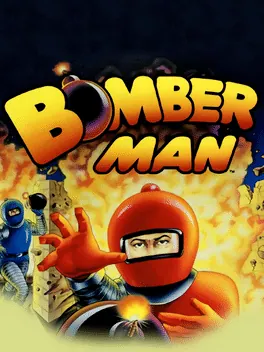
Bomberman
Bomberman is a 1990 action maze video game developed by Hudson Soft for the TurboGrafx-16. Belonging to the Bomberman franchise, it is a greatly expanded re-imagining of the first game in the series. In Europe, the game was released for the MS-DOS, Amiga and Atari ST, retitled as Dyna Blaster due to the European mainstream media associating the original title with terrorist bombings. A Commodore 64 version was advertised as well but never released.

Klax
Klax is a 1989 computer puzzle game designed by Dave Akers and Mark Stephen Pierce. The object is to line up colored blocks into rows of similar colors to make them disappear, to which the object of Columns is similar. Atari Games originally released it as a coin-op follow up to Tetris, about which they were tangled in a legal dispute at the time.
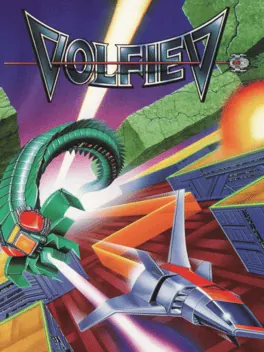
Volfied
Once in the game, using the arrow keys you can move the 'Scanner' ship around the 'Shield Line' at the parameter of the playing area. While moving around this edge the ship is protected from the aliens by a shield indicated by a glowing circle around the ship. This shield is not infinite and care should be taken to complete each level as quickly as possible. A counter indicates the level of shield that you have: when it reaches zero then any contact with an alien is deadly whether you are on the 'Shield Line' or not. The idea of the game is to cut areas out of the screen without touching any of the aliens. This is done by pressing the SPACE key which initiates the 'Laser Cutter' and moving off the 'Shield Line' and rejoining it somewhere else. While you are in the process of drawing a line, your shield is inactive and touching an alien is fatal. Similarly, if one of the aliens touches the line then it will send a charge down the line towards you and you must quickly return to the safety of the edge before it reaches you. When you rejoin the 'Shield Line' the area that does not contain the 'Boss' alien will be filled (points are gained by trapping the other aliens) and the 'Shield Line' will be adjusted to surround the area that is left. The level is completed when a certain percentage of the total area has been filled in. This percentage starts at 80% but may increase in the later levels.
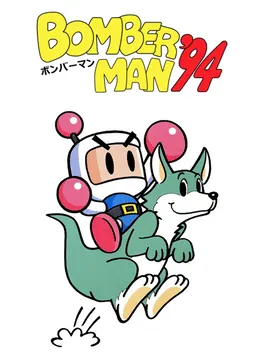
Bomberman '94
BOMBERMAN has arrived to restore peace on the planet, which has been split into five parts by an evil hand! In addition to the nine members of the Bomber Family, the character ROOI shows up to lend a hand. Jump on the EGGS that appear from destroyed SOFT BLOCKS, and you can ride one of five types of ROOI. Each ROOI has different special abilitiesuse these well and youll ride to victory! Bombs that turn according to arrows and other new gimmicks have been added to BATTLE GAME, increased to ten stages. Tag-team matches are now possible, ensuring that this game will be a blast! Bomberman '94 is a video game from the Bomberman series which was developed and published by Hudson Soft for the PC Engine and released on December 10, 1993 in Japan. It was later re-developed by Westone and re-published by Sega as Mega Bomberman on the Sega Mega Drive/Genesis in 1994 in other areas. The PC Engine Bomberman '94 was later released outside Japan through the Wii's Virtual Console and the PlayStation 3's PlayStation Network. The game supports single-player and multi-player modes. In single player, the player navigates several levels of mazes, destroying creatures with bombs. In multi-player mode, players defeat each other with bombs. Bomberman '94 is the final HuCard title to be made and released by Hudson Soft, the original designers of the PC Engine console.
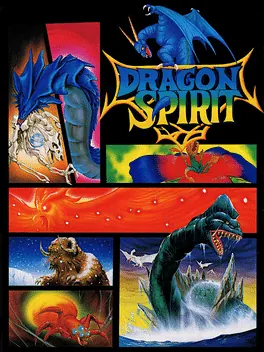
Dragon Spirit
Dragon Spirit is a vertical scrolling shooter arcade game that was released by Namco in 1987 and licensed to Atari Games for its American manufacture and distribution. In the kingdom of Mitgult, a serpent demon named Zawell escapes imprisonment after a thousand years, and kidnaps Princess Alicia. A soldier named Amul is chosen to rescue her and destroy Zawell. He points his sword skyward and transforms into a powerful blue dragon. He can breathe fire and drop bombs, as well as collect up to thirteen additional powers during his journey. Amul must fight nine of Zawell's mightiest beasts, one at the end of each stage, before facing Zawell himself.
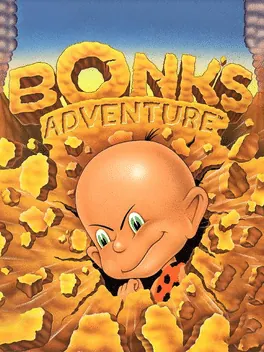
Bonk's Adventure
Bonk's Adventure was developed by Red Company and Atlus and released on the TurboGrafx-16 in 1989 before being ported to the NES, Game Boy and Amiga. It is a 2D platform game that became quite popular, with subsequent remakes and sequels spawning from the game. It was later included in Nintendo's Virtual Console service as well as the PlayStation Store.
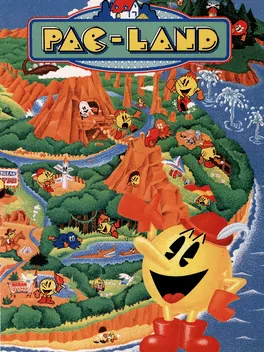
Pac-Land
Pac-Land itself is split into trips. In each of these trips the objective is to get the fairy (that is kept under Pac-man's hat) to Fairyland and also to return home to Pac-Man's house. The majority of the trip involves moving from left to right avoiding various obstacles such as the enemy ghosts, water spurts and quicksand traps. Each trip is divided into a number of rounds, the end of which provides Pac-Man with bonus points depending on how much time he has left and also his position in jumping at the end of each round. If the player runs out of time before finishing the round, Sue, the purple ghost, will speed up rapidly. The penultimate round of a trip ends with Pac-Man entering Fairyland and returning the fairy under his hat to the Fairy Queen. In return the Fairy Queen gives Pac-Man magic boots. For the final round of the trip, Pac-Man has to travel from right to left back home. For assistance he uses the magic boots, which allow him to jump repeatedly while in mid-air. Once Pac-Man completes the trip, he is greeted by Ms. Pac-Man and Baby Pac-Man. In the US release of the game, Pac-Man's cat and dog in the cartoon series, Sour Puss and Chomp-Chomp, are also there to welcome Pac-Man home. Pac-Man then begins his next trip following the same objectives as before, although the difficulty increases. As in the original Pac-Man, there are fruit which appear to eat for bonus points and power pellets to turn the ghosts blue and vulnerable. A hidden item (sometimes accidentally dropped by the ghosts) is a Flagship from Galaxian, which rewards 7650 points when collected (a reference to Namco's goroawase number of 765). The Galaxian Flagship is a long running cameo that appears in the Namco-made Pac-Man games. There are also hidden bonuses in the game, eating ghosts in a certain order will give extra time and pushing an obstacle in the opposite direction can give extra lives, invincibility, and balloons to collect for points and warps.
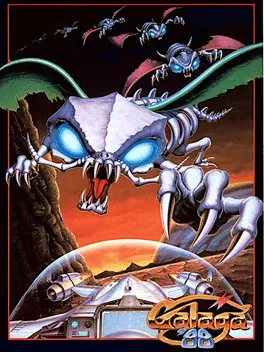
Galaga '88
The gameplay in Galaga '88 is built on the same premise as that of the original Galaga game, but is in many ways more complex and more difficult. The game is divided into a series of 29 Stages distributed through eight Worlds. The starship Galaga accelerates between Stages and Worlds and even to higher dimensions (go to the section on Dimensional Travel below to find out more). With the exception of the third and eighth, each World culminates in a Challenging Stage. There are six such stages to engage in any full game, and each begins with the on-screen announcement "That's Galactic Dancin'!" and has its own YM2151-generated song to which the enemy formations dance. In any given Challenging Stage, both the design of the enemies and their dancing formations shall vary according to the player's current Dimension. As in Galaga, the objective is to destroy all forty enemies before they fly away off the screen. However, refraining completely from touching any controls for the duration of a Challenging Stage awards a "secret bonus" ranging in value from 10000 to 25000 points, and equal to the "special bonus" which would have been awarded for destroying all forty enemy aliens instead. Galaga '88 introduces a variety of new enemies and behaviors. Most of these special enemies are worth varying amounts of bonus points when destroyed. Some enemies can combine into larger enemies which take multiple hits to destroy, while others arrive in eggs, explode in a shower of fireworks, grow with multiple hits, or sport armor which makes them invincible while in formation. Certain enemies drop small formations of tiny creatures that wiggle their way down the screen, and still others can act as escorts to incoming groups of enemies and then quickly dive at the player before leaving the game. Most stages also include various obstacles which appear once the enemy formation has been assembled. These can be destroyed with either one or several shots, and the first one on each stage will leave a "Warp Capsule". At the start of the game, the player can select how many Galaga starships to start with (one or two), affecting their number of remaining lives. The game ends after the final boss is defeated (or when the player's last ship is destroyed or captured) - in the latter case, the player can continue the game for an additional credit. The Game Over screen shows the player's hit-miss ratio and a visual representation of their progress. If the player reaches Stage 27, the game also shows a picture of the final boss (damaged if defeated, but silhouetted if not). If the arcade operator has set the "continue" option to "on", the player also cannot continue if he is defeated on Stages 27-29.
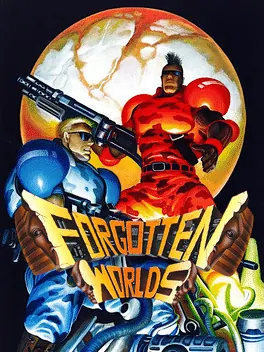
Forgotten Worlds
Forgotten Worlds can be played by up to two players simultaneously. The player controls a flying muscle-bound soldier armed with a rifle with unlimited ammo. The Player 1 character is equipped with a long-range automatic rifle, while Player 2 has a short-range wide shot. The controls in the original coin-op version consists of an eight-way joystick for moving the character in the air while flying and a unique rotatable button known as the "roll switch".Rotating the switch left or right allows the player to adjust their character's aim in one of sixteen directions, while pressing it causes the player character to shoot his gun. This allows for the player to move their character anywhere while keeping their aim in one direction. Pressing the switch rapidly will cause the character to perform a "megacrush" attack will destroy all on-screen enemies, but at the expense of a portion of their vitality gauge. The player character is accompanied by a satellite module orbiting near him that will provide backup firepower every time the player fires their gun. Like the main character, the satellite can also be rotated with the roll switch. Rotating the character while firing will only rotate the aim of the satellite, while rotating the character without firing will not only rotate the satellite's aim, it will also move its relative position around the player. The player can obtain blue-colored coins known as "zennies" from defeating enemies throughout the game. The zennies are used as currency to obtain new power-up items from shops located at certain points in each stage. When the player enters an item shop, they are given a choice of the items available and a limited time to make any purchase they wish. These items consists primarily of new weapons for the satellite module, but also includes a health kit to restore lost vitality, an armor that allows the player to sustain additional damage, and even tips on how to defeat the boss awaiting at the end of the current stage. Forgotten Worlds consists of five stages with a total of eight bosses. The player will lose if their vitality gauge runs out, but will be given a chance to continue.
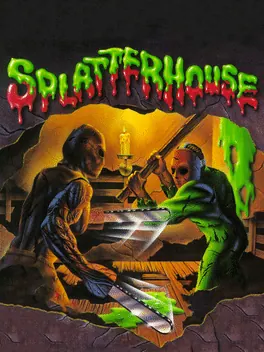
Splatterhouse
Splatterhouse is a sidescrolling beat 'em up video game in which the player controls Rick, a parapsychology student who is trapped inside West Mansion. After his resurrection by the Terror Mask, Rick makes his way through the mansion, fighting off hordes of creatures in a vain attempt to save his girlfriend Jennifer from a grisly fate. Players of this game will also recognize a number of western horror film influences, such as Friday the 13th and Evil Dead 2. Similar to many sidescrolling beat 'em up games, Rick can only move in a two-dimensional environment. The playing field does not feature a three-dimensional area, a feature that was added later in the series with Splatterhouse 3. He has the ability to jump and can punch and kick. Rick also has a Special Attack, where he will perform a drop kick that sends him skidding along the ground, damaging any enemies he hits. Rick can also perform a low kick, low punch, and jumping attacks, as well as pick up and use various weapons placed in the levels. All of the levels consist of walking left to right, with occasional auto-scrolling segments. However, alternative pathways through sections of the house are possible by falling down through holes or jumping up onto ladders. In this way, branching gameplay is possible, if only prevalent in the middle levels. Levels culminate in boss fights that take place in a single room. Unlike traditional side-scrolling fighters, boss fights have varying objectives and styles. Unlike most arcade games in the genre, Splatterhouse sends players back to checkpoints after losing lives or reaching game over, discouraging "credit feeding" as a method of overcoming the various challenges.
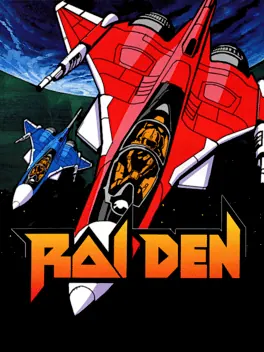
Raiden
Raiden consists of eight vertical scrolling missions where the player maneuvers the Raiden craft dodging and destroying enemy robots, buildings, ground targets, and aircraft. There are bombs and missile powerups as well as collectable medals which add to the score. When player dies, the fighter's fragments become projectiles that damage enemies. After defeating the Stage 8 boss, the mission is completed, and player receives 1 million points for each completed loop. Afterwards, it will start back to Stage 1. This time around, enemies shoot faster and at a more rapid rate.
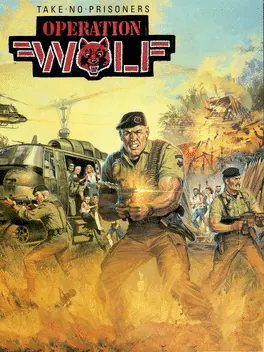
Operation Wolf
In the steamy jungles of South America, heavily armed extremists are holding innocent civilians prisoner. Little do these terrorists know that real terror is about to land on their front porch! The sound of rotor blades and staccato bursts of gunfire echo through the valleys. Terrorists be warned! Operation Wolf is going to teach you what terror is all about! Operation Wolf consists of six missions, which are displayed on the Operations Map Screen. A mission is completed when all enemy forces are reduced to zero. The current level is completed when you escape from the airport with the prisoners. Your injury level increases when the enemy hits you. The game automatically ends if the injury indicator on the right side of the screen becomes completely red. You can reduce your injury level by getting power drinks.
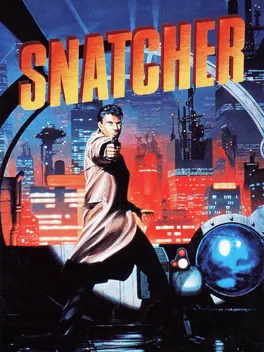
Snatcher
Snatcher is a cyberpunk-themed graphic adventure game directed and written by Hideo Kojima and produced by Konami. The setting and story of Snatcher is heavily influenced by cyberpunk and science-fiction media, taking place in a large futuristic dystopian city. The story revolves around an investigator named Gillian Seed assigned to investigate a breed of bioroids known as "snatchers", who are killing humans and taking their place in society. The game is set in a primarily first person perspective and uses a menu-based interface that allows the protagonist to interact with his environment. The player can choose to "Look", "Investigate", "Talk", "Ask" and "Move" (in addition to other options) to acquire key items or receive vital information from other characters. The player can analyze items in Gillian's belongings or show it to other characters. During key points of the game's story, the player must pass shooting sequences to defend Gillian from assailants. These shooting segments use a 3x3 grid which the player can target to fire at enemies. A shooting trainer, called "Junker's Eyes", is accessible at Junker HQ that allows the player to measure their accuracy.
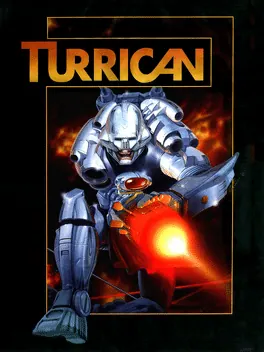
Turrican
Turrican is a 1990 video game programmed and designed by Manfred Trenz. It was first developed for the Commodore 64 by Rainbow Arts, but was ported to other systems later. In addition to concept design and character creation, Trenz personally programmed Turrican on the Commodore 64. A sequel, Turrican II, followed 1991 for the Commodore 64 and other platforms.
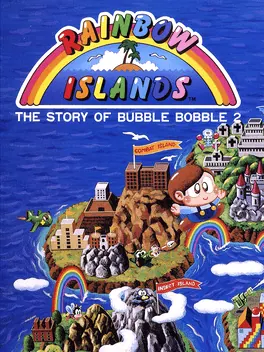
Rainbow Islands: The Story of Bubble Bobble 2
Rainbow Islands is a 1987 arcade game developed and published by Taito. The arcade version was licensed to Romstar for North American manufacturing and distribution. The game is subtitled "The Story of Bubble Bobble 2" and is the sequel to Taito's hit game Bubble Bobble from the previous year. It is the second of four arcade games in the Bubble Bobble series. The game was ported for numerous home computers and game consoles.
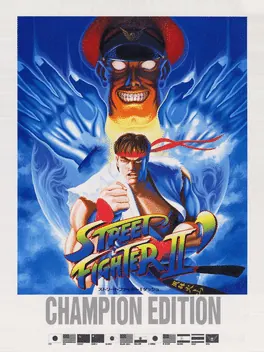
Street Fighter II: Champion Edition
Street Fighter II: Champion Edition is a competitive fighting game released for the arcades by Capcom in 1992. It was the first of several updated versions of the original Street Fighter II: The World Warrior. The main changes consisted of the addition of the Grand Masters (the final four computer-controlled opponents in the single-player mode) as playable characters and mirror matches (same character vs. matches). The fighting techniques of the eight main characters from the original game were also further refined to allowed for more balanced competitive play. Champion Edition was followed by Street Fighter II' Turbo: Hyper Fighting, released several months later.

Populous
Populous is a real-time strategy game where the player takes the role of a deity influencing the development of civilizations. You shape terrain, guide followers, and use natural disasters like floods, volcanoes, and earthquakes to influence or eliminate opposing tribes. The game features an isometric perspective and includes 500 levels (worlds), each with different challenges. Originally developed by Bullfrog and designed by Peter Molyneux, it is considered one of the earliest examples of the god-game genre.
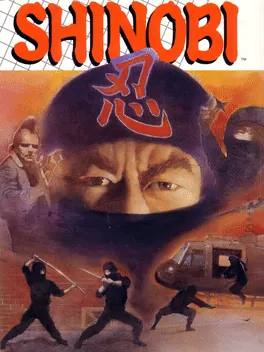
Shinobi
The five missions in the game are each three or four stages long. Several hostages are being held in each stage; Joe must rescue all of them before he is allowed to finish the stage. The last stage in each mission has no hostages, but instead features a powerful boss character whom Joe must defeat. After completing each of the first four missions the player is taken to a bonus stage, where he can earn an extra life if he is able to kill all of the ninjas leaping towards him. Completing the fifth mission ends the game. Also, once the fifth mission begins, continues are no longer allowed; the player has to finish the game with however many lives he has left at that point. If the player earns a place on the high score board, the number of credits it took him to get that score is displayed along with his score. Joe's standard weapons are an unlimited supply of shuriken, along with punches and kicks when attacking at close range. One hostage per stage gives him a power-up. When powered-up, his throwing stars are replaced by a gun that fires large, explosive bullets, and his close-range attack becomes a katana slash. Joe can also perform "ninja magic," which may be used only once per stage and kills (or damages, in the case of bosses) all enemies on the screen. The game also allows the enemies to hide behind boxes or use shields to block Musashi's shurikens.[4] Joe can be killed with one hit, provided he is hit by a projectile or melee attack, but if he does not find himself in those situations, the player can touch regular enemies and just be pushed back without being damaged. Since most enemies appear in the same place on each level, it is possible to master the game by memorizing their locations and devising patterns to defeat them. At the end of each stage, the player receives score bonuses based on performance. Completing the stage without using ninja magic or without using any throwing stars or bullets earns the player a point bonus. The player has three minutes to complete each stage; remaining time at the end of the stage is also converted to bonus points and added to the player's score.